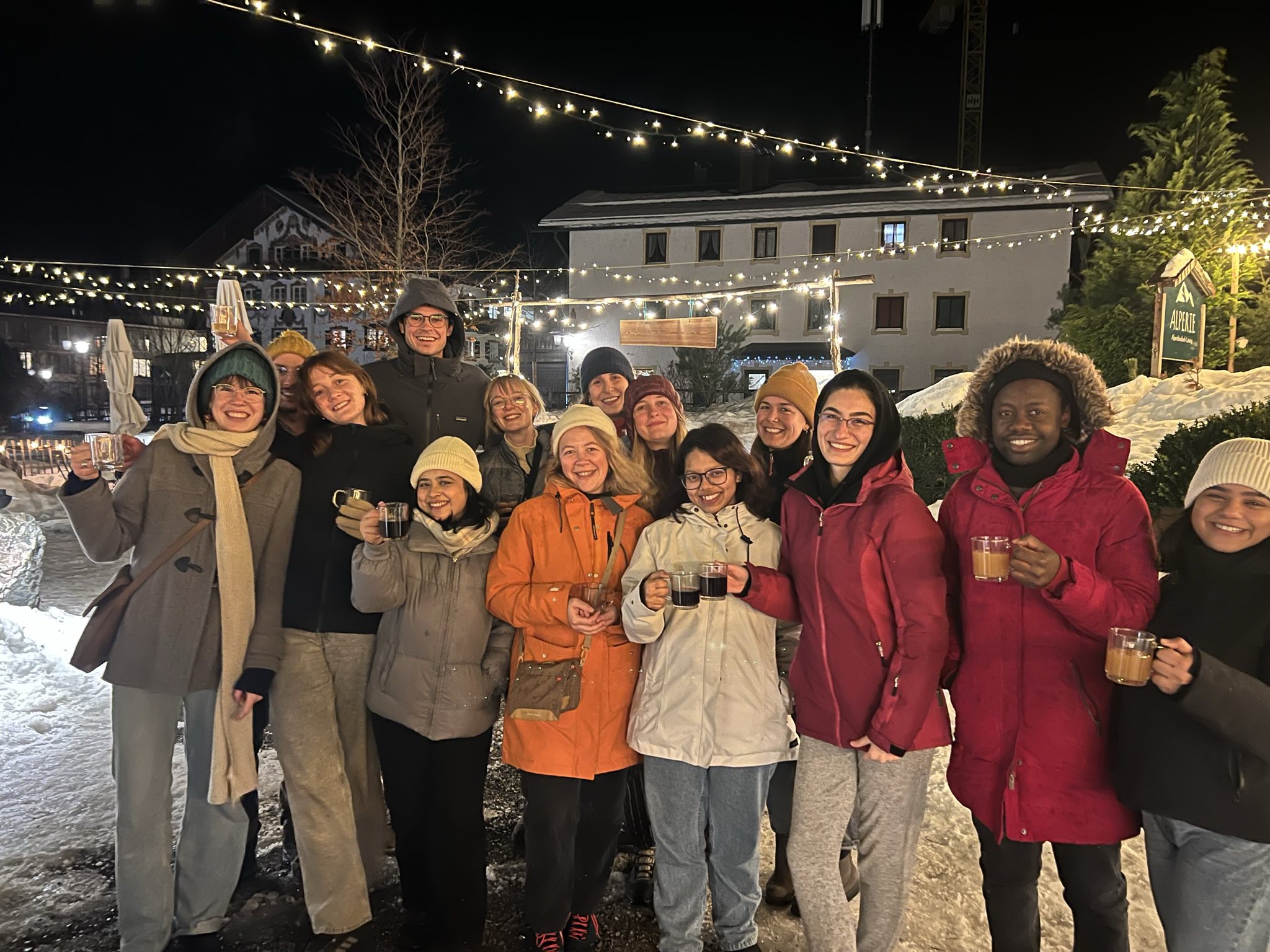

Our latest generation of EAGLEs just wrote a nice blog post summarizing their first months within the EAGLE program, outlining how they bonded and formed a group plus how they experienced their first earth observation courses within our international M.Sc. program:
“We were all quite impressed by the choice and variety of courses on offer. In addition to the four compulsory courses in the first semester, there were many other options, for example on cloud computing, Python programming, radar remote sensing, and even soft skill courses such as presenting or map making. Therefore, it was rather tricky for some of us to decide which courses NOT to take. Each and everyone was able to set his/her priorities: either become a programming nerd in various languages, crash QGIS a record-breaking number of times, prepare meticulously for heated debating competitions with lecturers, or, believe it or not, perhaps even build up a social life in Würzburg. Apart from the content of the courses, we enjoy the casual atmosphere between lecturers and students, both in class and outside of it (e.g., singing Karaoke together at our EAGLE Christmas party), the opportunity to contribute our ideas and give feedback and criticism, the possibilities to get involved as a student assistant in different research fields, and the many impressions and tips on possible internships and career paths.”
read more here:
students.eagle-science.org/first-semester-recap/
“We were all quite impressed by the choice and variety of courses on offer. In addition to the four compulsory courses in the first semester, there were many other options, for example on cloud computing, Python programming, radar remote sensing, and even soft skill courses such as presenting or map making. Therefore, it was rather tricky for some of us to decide which courses NOT to take. Each and everyone was able to set his/her priorities: either become a programming nerd in various languages, crash QGIS a record-breaking number of times, prepare meticulously for heated debating competitions with lecturers, or, believe it or not, perhaps even build up a social life in Würzburg. Apart from the content of the courses, we enjoy the casual atmosphere between lecturers and students, both in class and outside of it (e.g., singing Karaoke together at our EAGLE Christmas party), the opportunity to contribute our ideas and give feedback and criticism, the possibilities to get involved as a student assistant in different research fields, and the many impressions and tips on possible internships and career paths.”
read more here:
students.eagle-science.org/first-semester-recap/