
We have several inquries from our Central Asian colleagues and partner organizations – options are discussed at the moment and we will update our webpage as soon as possible – See more at: http://www.cawa-project.net/… Read More
Powered by WPeMatico


you may also like:
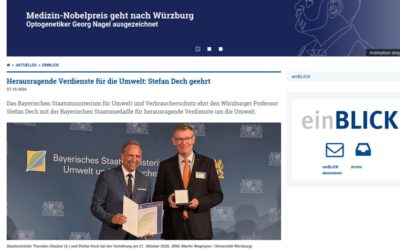
The University of Würzburg’s online magazine einBLICK has covered the award ceremony at which Prof. Stefan Dech received the Bavarian State Medal for Outstanding Services to the Environment on 21 October 2026. The award recognizes his long-standing contributions to...
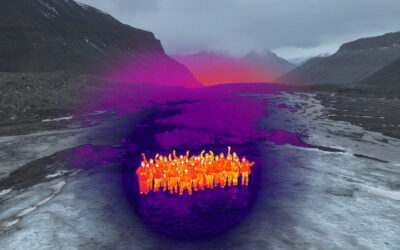
Last week, Sebastian Buchelt and Jakob Schwalb-Willmann traveled to Longyearbyen, Svalbard, for a teaching stay on the high-arctic island hosted by the University Centre in Svalbard (UNIS). Sebastian taught a three-day block course on...
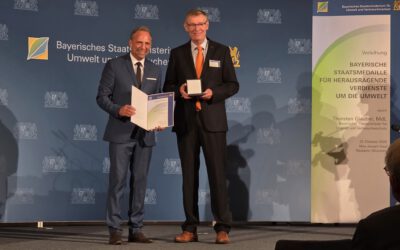
Big news for the whole EORC family: Prof. Stefan Dech has received the Bavarian State Medal for Services to the Environment, one of the state’s official honors for environmental achievement. In the laudatio, the Bavarian State Ministry for the Environment and Consumer...
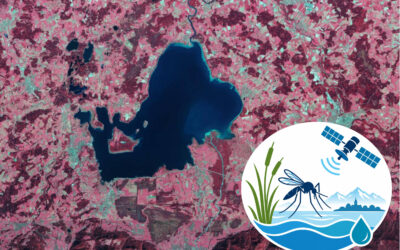
In October 2026, the EORC launched AQUAMOS: “AQUAtic Breeding Habitats and Early MOSquito Warning Systems Using Remote Sensing and Environmental Monitoring”. The pilot project aims to develop a monitoring and early-warning approach for the formation of temporary water...
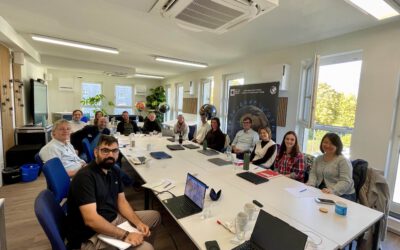
On October 15, 2026, researchers from the EO4CAM (Earth Observation Laboratory for Climate Adaptation and Mitigation) project gathered in Würzburg for a dedicated biodiversity meeting. The meeting brought together researchers working on...
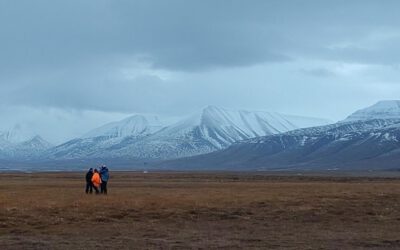
It started a few years ago, when Mirjana Bevanda built up a collaboration with partners at UNIS, the University Centre in Svalbard. Jakob Schwalb-Willmann joined soon after, and today a growing group from EORC heads north to teach there, including Antonio...
bzgl. Art. 50 Verordnung (EU) 2024/1689 (AI Act):
Überwiegend werden eigene originäre Texte und Bilder des EORC genutzt, jedoch sind einige Inhalte von blog post Texten teilweise mit Hilfe von KI überarbeitet worden und einige Bilder sind ganz mit KI erstellt, die jedoch deutlich keine photorealistische Darstellungen abbilden. Aussnahmen sind KI generierte fernerkundliche Datensätze, die explizit für Forschungszwecke mit KI erstellt wurden, hier wird aber durch den assoziierten Text der wissenschaftliche Grund der KI generierten Bilder erläutert.