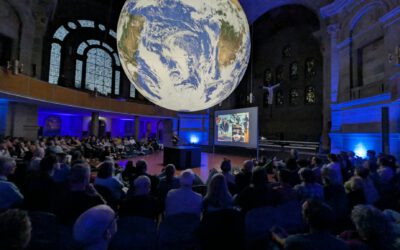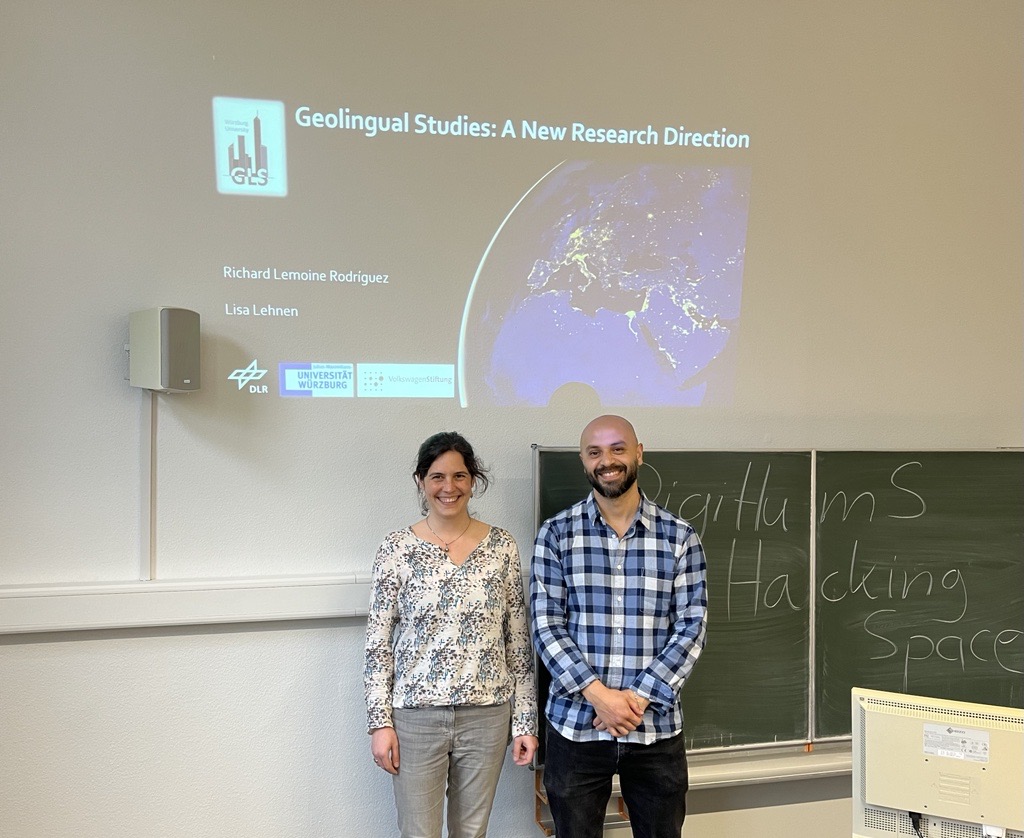

On May 7th, Lisa Lehnen and Richard Lemoine Rodríguez, the two postdoctoral researchers of the Geolingual Studies project, visited the Department of Digital Humanities and Social Studies of the Friedrich-Alexander-Universität Erlangen-Nürnberg (FAU) for an enriching day with multiple activities. First, our colleagues discussed with our cooperation partner Dominik Kremer the strategy and research approach for the super test-site project to be conducted in Würzburg in the coming months. In this project, the human experience in diverse urban settings will be explored employing people as sensors to produce a multimodal sampling including text, images, videos, audios, and geospatial datasets. The aim is to assess how people perceive diverse urban spaces and what are the underlying factors influencing this experience.
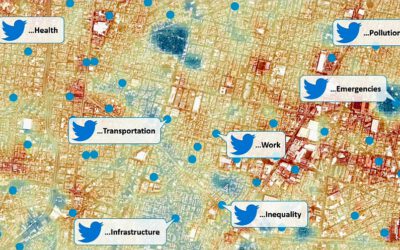
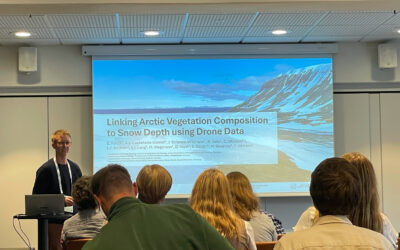
After this, our colleagues delivered the talk titled “Geolingual Studies – a new research direction”, in which they showcased the general concept of this novel research approach, as well as diverse examples of the use of social media and remote sensing data to assess urban discourses, migration, and migrants’ interests and needs.
You can read more about the Geolingual Studies project here: https://www.phil.uni-wuerzburg.de/gls/