
First Field Trip to the Western Aquifer Basin within the MedWater Project

First Field Trip to the Western Aquifer Basin within the MedWater Project

March 21, 2018

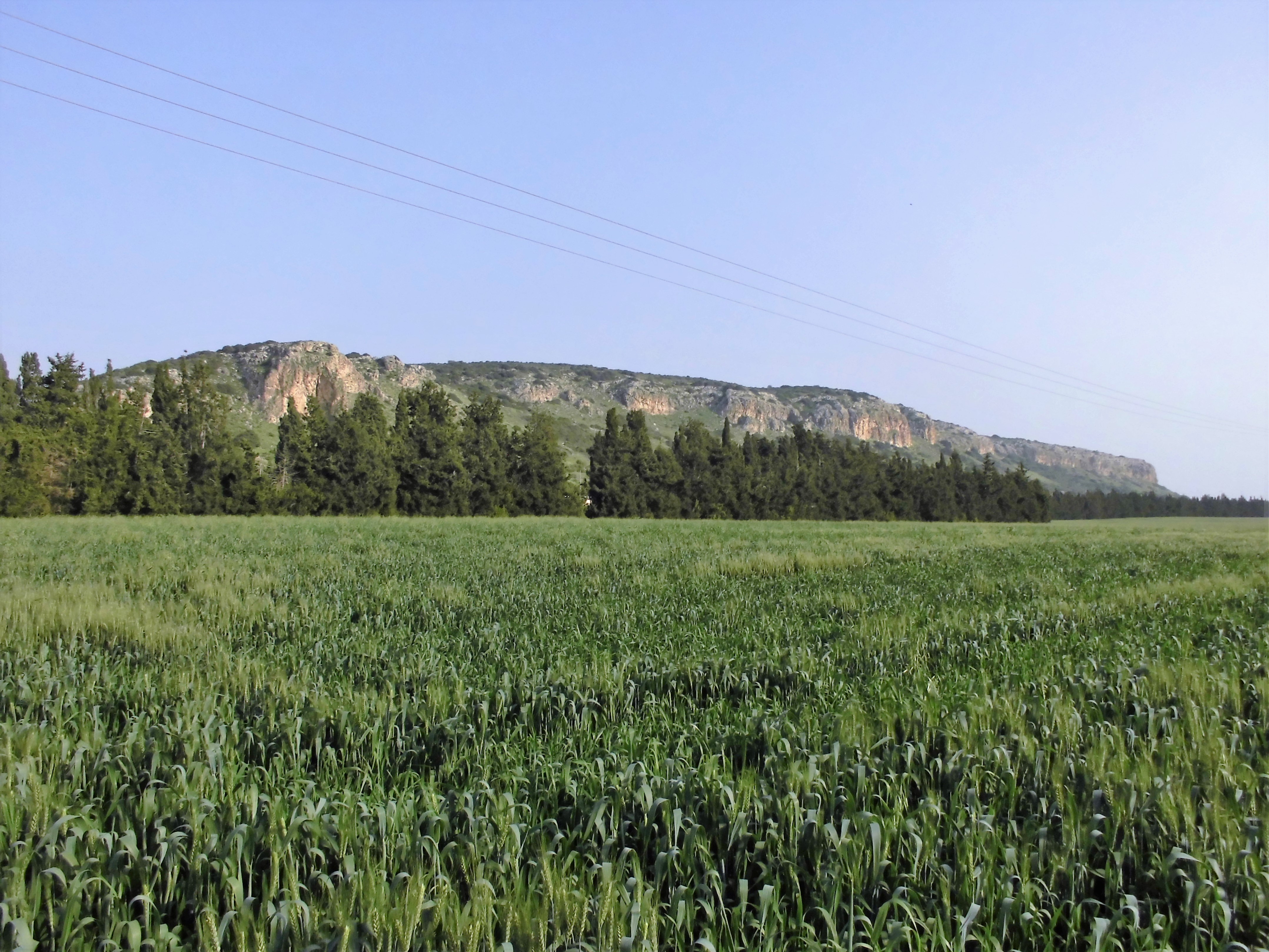
Land use (here cropping of wheat) in the Taninim catchment close to the Taninim spring in northern Isreal. In the backround, the Carmel mountain range is shown. Picture taken by S. Schönbrodt-Stitt (March 2018)

In March 2018, a colleague from the Department of Remote Sensing at University of Würzburg has joined the field trip to Isreal within the framework of the BMBF-funded project MedWater.

Together with the partners from the Chair of Hydrology at the Technical University of Berlin, the Research Group on Ecological Service at the University of Bayreuth, the Chair of Applied Geology at the University of Göttingen, and from Mekorot Water Company Ltd. In Israel, a first survey of – inter alia – the physio-geographic situation and land use pattern in the Western Aquifer Basin was conducted. Particularly, the topics of groundwater resources and water management in the Taninim catchment were discussed. Knowledge gained from this first field survey will be used to conduct remote sensing based assessment and analysis of the land use and land cover in the focus study area of the MedWater project.

MedWater (GRoW) – Sustainable use of politically and economically relevant water resources in hydraulically, climatically and ecologically highly dynamic hard-rock aquifers in the Mediterranean region
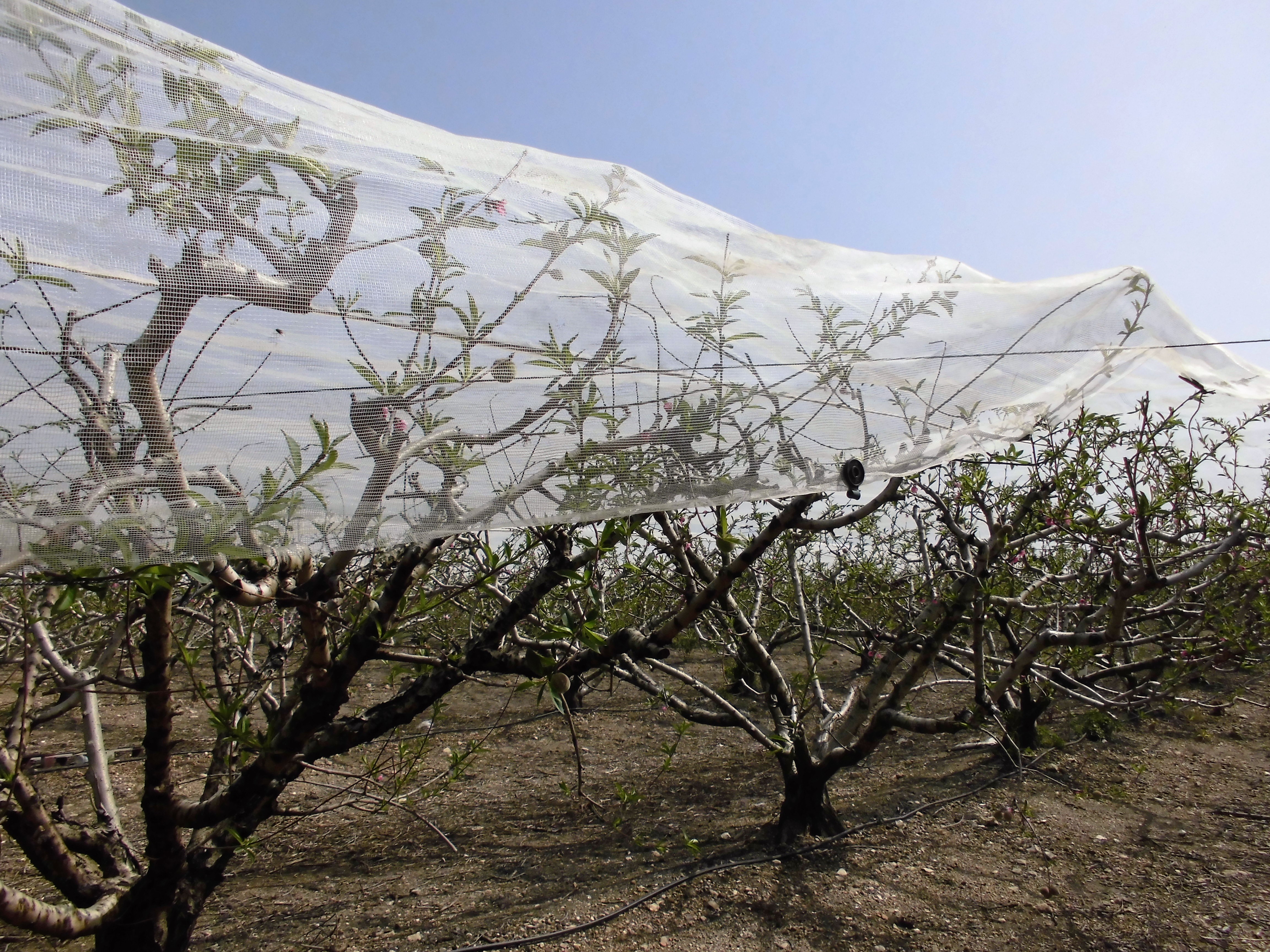
Peach orchard with a typical anti-bird mesh in the Taninim catchment. Picture taken by S. Schönbrodt-Stitt (March 2018).

The MedWater project is part of the GRoW funding measure funded by the German Federal Ministry of Education and Research (BMBF) within the FONA framework. The overall objective of MedWater is the optimal management of scarce groundwater resources in vulnerable aquifers subject to the Mediterranean climate by developing management tools for improving efficiency in water use and preserving existing water resources and ecosystem services. The international MedWater consortium involves multi-disciplinary partners from the side of research and industry.


follow us and share it on:

you may also like:

EORC at Space Summit Munich

EORC at Space Summit Munich

Yesterday, the space tech incl the remote sensing community gathered in the historic halls of Neues Rathaus München for the annual Space Summit Munich - an event that brought together scientists, industry leaders, and policymakers to discuss the future of Earth...

Empowering Biology Students with Open-Source Spatial Data Skills

Empowering Biology Students with Open-Source Spatial Data Skills

At EORC, we believe that spatial thinking and geodata literacy are becoming essential skills across scientific disciplines. This semester, we had the pleasure of contributing to the Biology MSc programs MERGE and other study tracks at the Biology Institute through a...

EAGLE M.Sc. Students doing Arctic Internship

EAGLE M.Sc. Students doing Arctic Internship

This spring, Marlene and Aoibhin, two students from our EAGLE M.Sc. program have started their research internship in the high Arctic on Svalbard. Hosted by Prof. Larissa Beumer at the University Centre in Svalbard (UNIS), the students are gaining hands-on experience...

EORC at the Smart Forest Conference: Research meets Practive

EORC at the Smart Forest Conference: Research meets Practive

This week, our EO4CAM staff Sonja and Julian attended the Smart Forest Conference in Freising, a meeting that brings together researchers, forestry practitioners, and technology developers working at the interface of forest science and digital innovation. Over two...

EO4CAM Data Portal Launched to Support Climate Adaptation in Bavaria

EO4CAM Data Portal Launched to Support Climate Adaptation in Bavaria

New Earth observation platform provides satellite-based information for public authorities and planners A new Earth observation data portal is bringing satellite-derived environmental information closer to climate adaptation planning. On 9 March 2026, the EO4CAM data...

Share This