
Seeing the Future – EORC contributes to the 8th Network Meeting of the BayWISS Verbundkollegs Digitalisierung in Ingolstadt
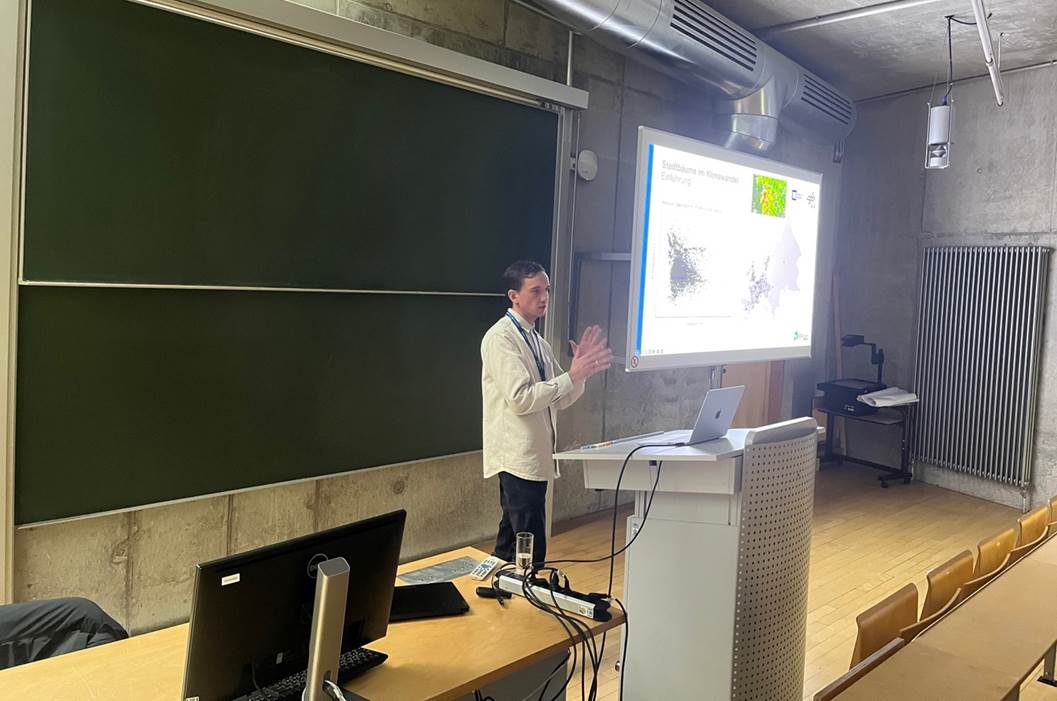
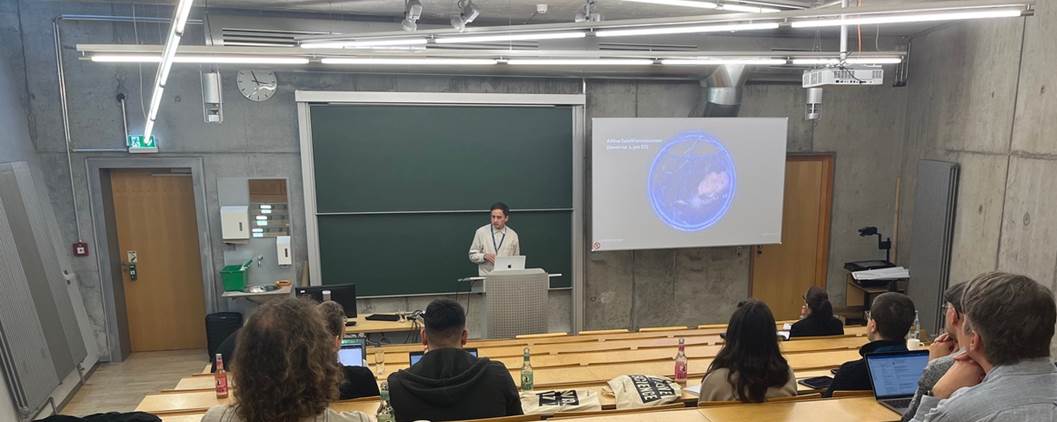
At this year’s BayWISS network meeting in Ingolstadt on the 11th of December, attended primarily by doctoral candidates from the Promotionskolleg Digitalisierung, our colleague Dr. John Friesen delivered the keynote titled “Zukunft sehen lernen – mit Fernerkundungsdaten zu nachhaltigen Städten” [engl. Learning to See the Future – Using Remote Sensing Data for Sustainable Cities].
His talk opened with a reflection on the human desire to understand the future and the idea that learning is fundamentally about anticipating what comes next. He argued that societies must develop this anticipatory capacity at scale if they are to navigate the 21st century responsibly.
He then focused on cities as the central arenas where global futures will be shaped. Drawing on Nietzsche’s notion that distance enables clarity, he demonstrated how remote sensing—viewing urban environments from hundreds of kilometers above the Earth—offers insights that ground-level observation cannot. Remote sensing thus becomes a practical method for “learning to see the future.”
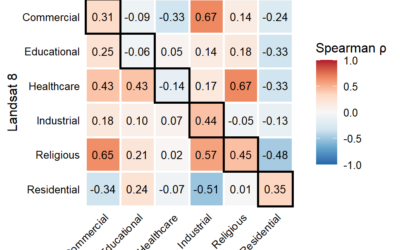
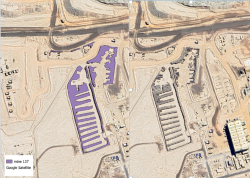
In a concise set of examples connected to SDG 11: Sustainable Cities and Communities, he showed how satellite-derived data reveal global climate niche shifts for cities, identify vulnerabilities in urban tree species under future scenarios, and illuminate urban growth around cobalt mining regions in the Democratic Republic of the Congo. These cases illustrated that remote sensing is more than imagery—it provides actionable, decision-relevant information for building sustainable and resilient cities.
The keynote was followed by active and thoughtful discussions, in which doctoral candidates engaged with methodological questions, data challenges, and the broader implications of remote sensing for urban sustainability research.