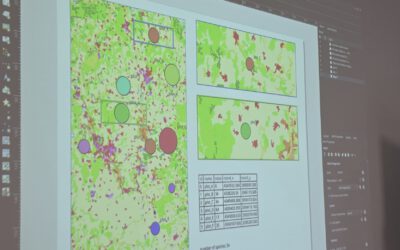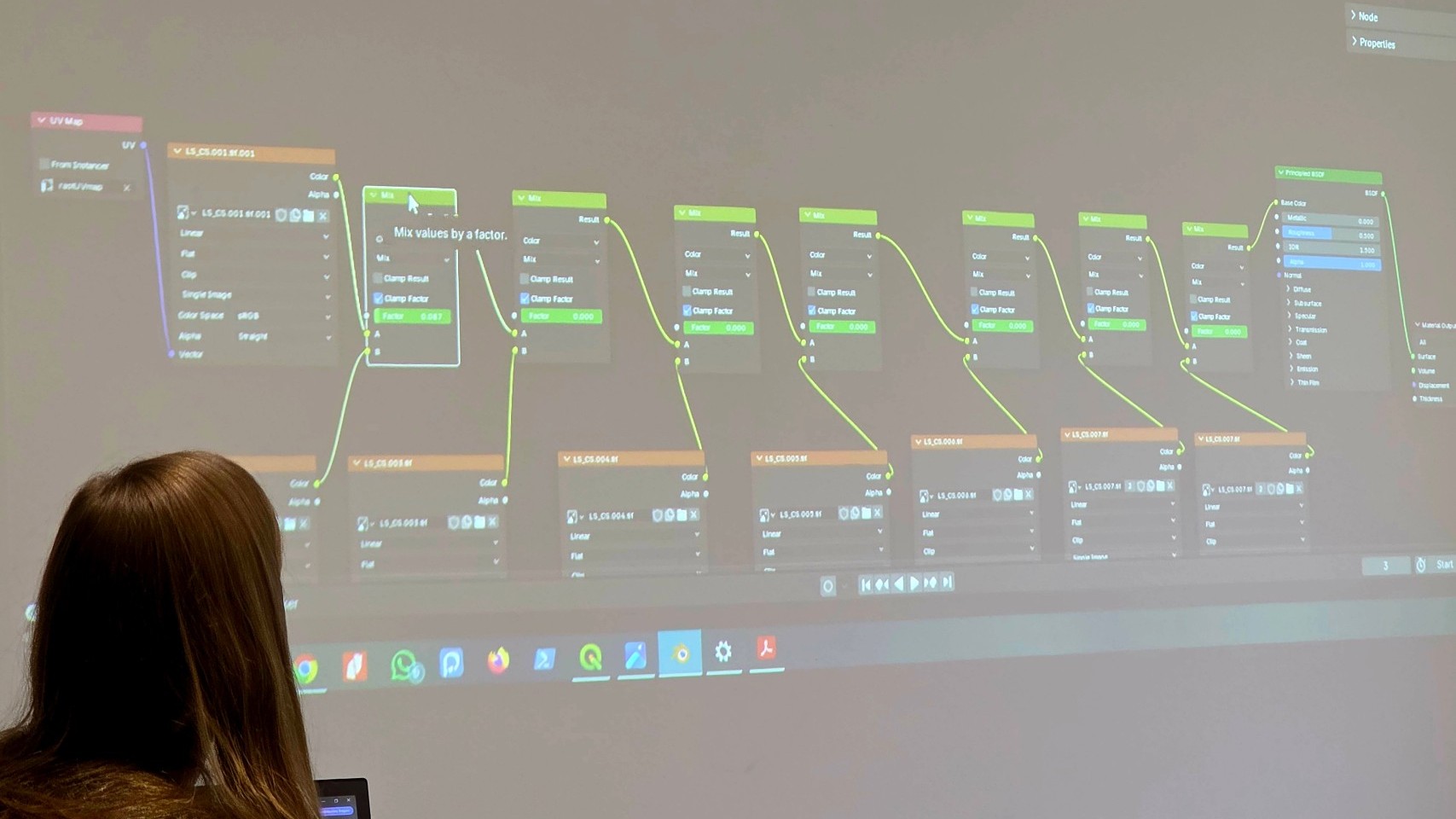

One of the most exciting phases in the EAGLE Earth Observation MSc is the moment when our students open the door to the broad ecosystem of spatial scientific software. Over the course of the semester, they dive into a range of tools—QGIS, GRASS GIS, Blender, WhiteboxTools, SAGA, Orfeo Toolbox and more—each with its own philosophy, strengths, and limitations.
Rather than focusing on a single “preferred” package, we encourage students to explore the diversity of the geospatial world. They compare interfaces, test analytical capabilities, experience processing chains, and discover how differently similar tasks can be handled depending on the software. Along the way, they encounter both the elegance and the quirks of each tool—valuable lessons for any future remote sensing scientist.
What makes this journey truly rewarding is that students are not just clicking through menus. They apply each software environment to a concrete remote sensing task, allowing them to evaluate real workflows instead of abstract features. In doing so, they also learn something equally important: how to learn a new software package from scratch.
Working through unfamiliar menus, browsing documentation, making first steps that feel clumsy at the beginning—these moments gradually turn into a sense of familiarity and, eventually, confidence. Watching students reach the point where they say, “Ah, now it makes sense!” is always a highlight for us as lecturers.
By the end of the module, it is entirely up to the students which tools they want to carry forward in their scientific careers. Some gravitate toward the flexibility of open-source GIS, others toward specialized processing libraries, and some enjoy the 3D world of Blender. There is no single right choice—only the right choice for the work they envision.
What matters most to us is not which button they prefer to click, but that they understand the landscape of possibilities and the boundaries of each tool. If they leave with a broader perspective, a healthy sense of curiosity, and the confidence to approach any new software environment with a “Yes, I can learn this” mindset, then we know the course has done its job.
In the end, it is this combination of technical insight and personal growth that equips our students for the challenges of modern Earth observation science—and that makes teaching them such a pleasure.