
UAS Lidar and multispectral field work on Zugspitze

UAS Lidar and multispectral field work on Zugspitze

April 24, 2023

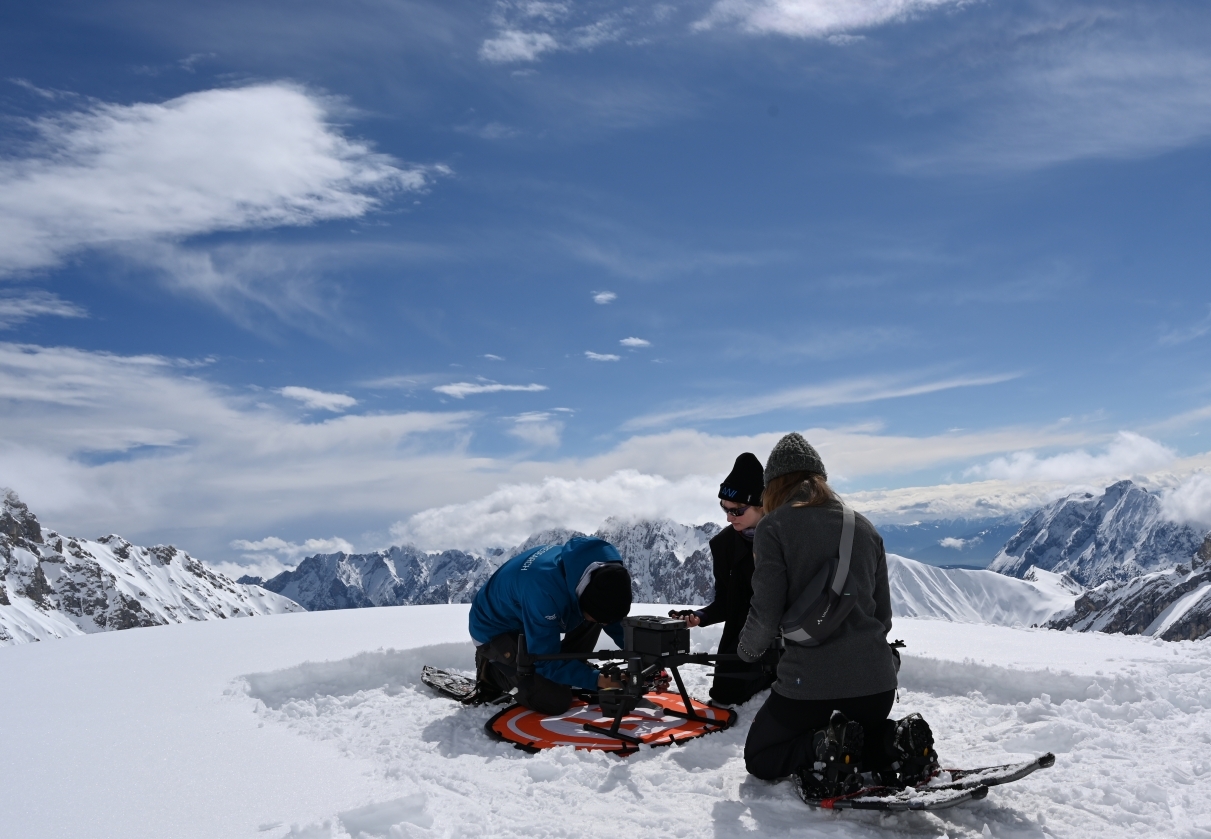
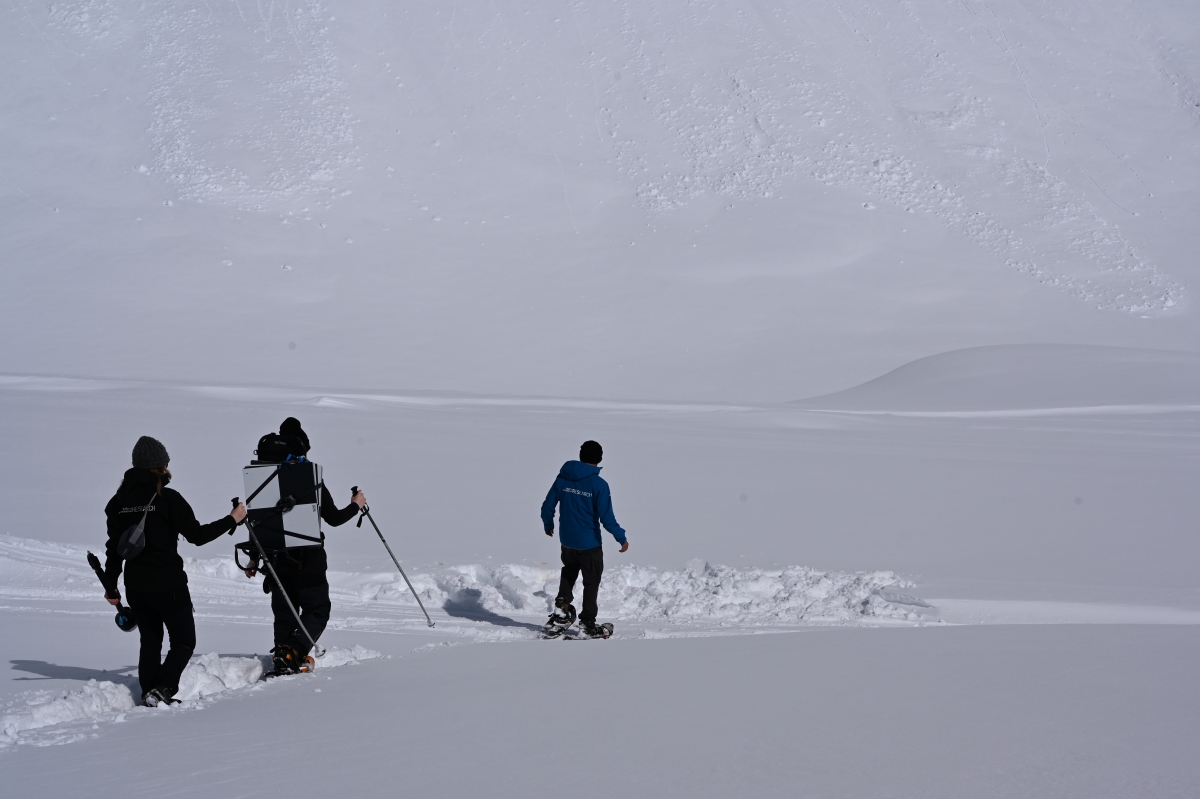
Last week we spend some time on the UFS research station at Zugspitze to collect Lidar, multispectral and thermal data from UAS/UAV systems. The weather was great for collecting data and we had plenty of snow to walk through to our launch site.

Various systems were used and acquired data, from TLS to ALS and some of our EAGLE MSc. students helped a lot with the data acquisition. We already plan the next field work and also collecting data of other sites within the area.

We mainly used the M300 system with dual payloads to collect as much data as possible with the shortest time due to the unpredictable weather in the Alps. Luckily the weather was quite stable for the whole time even though the forecast predicted storm and snow/rain.

Also walking with snowshoes through the fresh snow was an experience especially with all the heavy equipment. The results will be posted soon.
follow us and share it on:

you may also like:

Drone manufacturer Wingtra visits EORC

Drone manufacturer Wingtra visits EORC

Is it possible to combine the efficiency of a fixed-wing drone with the precision of a laser scanner? That question brought researchers from EORC together with Wingtra, a Swiss company designing and manufacturing fixed-wing UAS, to exchange on UAS research and discuss...

How We Learned to Fly: The Story Behind UAS Research at EORC

How We Learned to Fly: The Story Behind UAS Research at EORC

Every research group that's ever bought a drone has a story about the first one it lost. We're no different. So let's just get that out of the way up front: this is the inside story of how UAS (Unoccupied Aerial System) research grew up at the Earth Observation...

Ticks from Above: UAS Fieldwork for the MONID Habitrack Project

Ticks from Above: UAS Fieldwork for the MONID Habitrack Project

Forest edges are tricky places. They're where woodland meets open ground, where light and shade trade off every few meters, and where, it turns out, ticks tend to do really well. That last bit is exactly why Dr. Ariane Droin, Sofía García de León, Dr. Jakob...

Share This