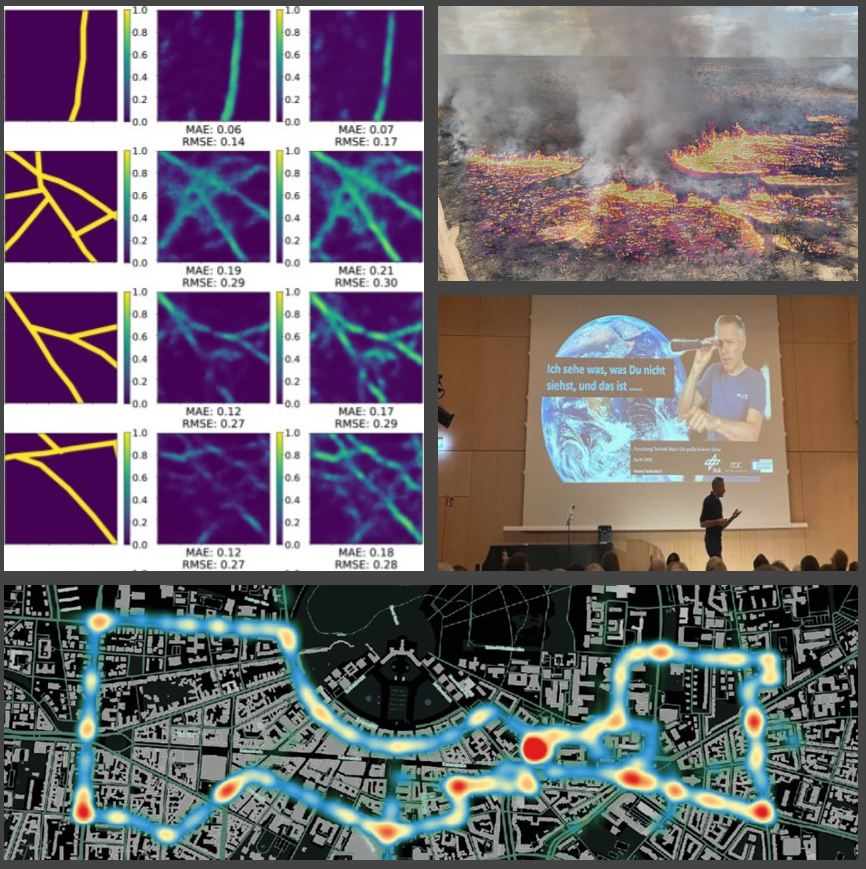

As 2025 draws to a close and 2026 begins, our Earth Observation Research Cluser News Blog on Remote-Sensing.org offers a rich overview of a year defined by scientific diversity, collaboration, and real-world impact. From peer-reviewed publications and innovative projects to presentations, fieldwork, and community milestones, the latest entries capture both reflection and momentum for the year ahead.
Below are some highlights by category, with links for further reading in each area.
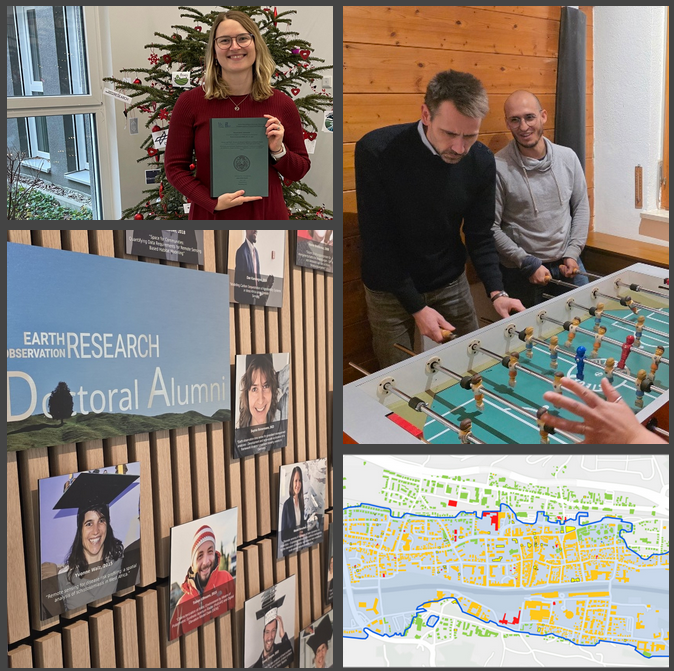
📚 Publications — Advancing Science into 2026
Recent publications throughout late 2025 highlight how space-borne satellite and UAS data with auxilliary data, and machine learning/DL continue to push the boundaries of Earth observation research.
Highlights
- Urban analysis from local to global using diverse EO and in-situ data
- UAV- and AI-based analyses supporting ecological and biodiversity studies
- Glaciers and agriculture analysis under changing conditions
- Urban remote sensing research linking vegetation indices (e.g. NDVI) with biodiversity patterns
- Large-scale mapping efforts addressing urban exposure, risk, and global settlement dynamics
Year-End Takeaway: The publication portfolio closing 2025 strongly connects methodological innovation with pressing environmental and societal questions.
🔗 Further reading:
https://remote-sensing.org/category/news-publication
🤝 Projects — From Momentum to New Beginnings
Several projects reached important milestones in 2025, while others transitioned into new phases as 2026 begins.
Highlights
- EO4cam for Bavarian Climate Adaptation and Mitigation
- Machine-learning-driven detection of land use and mining activities
- Satellite-based environmental monitoring projects with regional to global scope
- Emerging applications of thermal remote sensing for surface and climate analyses
Year-End Takeaway: The project landscape reflects continuity and renewal — building on proven methods while opening new research directions for 2026.
🔗 Further reading:
https://www.remote-sensing.org/category/project/
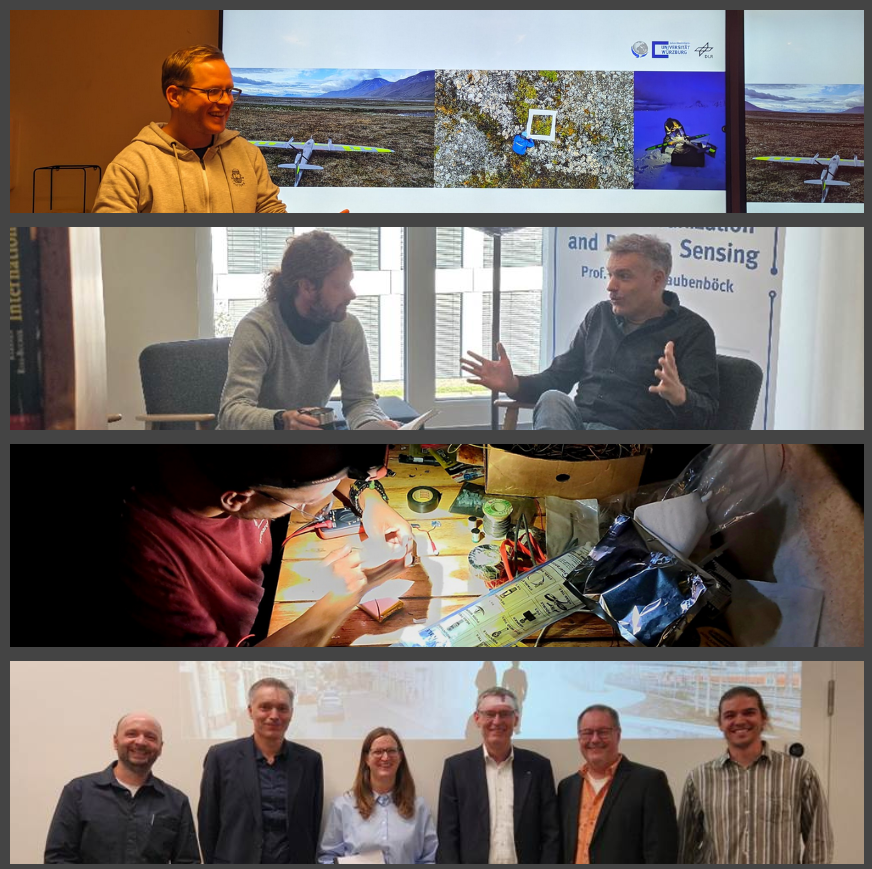
🗣️ Presentations & Collaboration — Sharing Results, Building Networks
Throughout the end of 2025, researchers actively shared results at conferences, workshops, and invited talks.
Highlights
- Various presentations on urban remote sensing – from science slam to international conferences
- Presentations linking animal movement and behavior with land-use classification
- Contributions to international scientific meetings and interdisciplinary workshops
- Strengthened collaborations across institutions and research groups
Year-End Takeaway: Open exchange and collaboration remain central pillars of the Earth observation community heading into 2026.
🔗 Further reading:
https://www.remote-sensing.org/category/presentation/
📣 Community & News — People Behind the Science
Beyond data and methods, 2025 was shaped by the people driving Earth observation forward.
Highlights
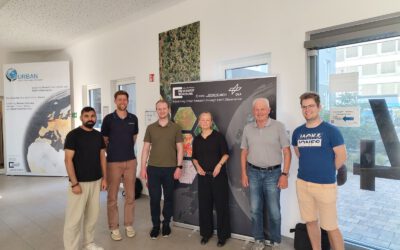
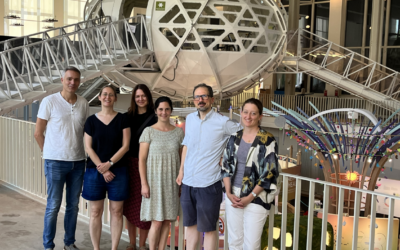
- End-of-year reflections on team achievements and successful PhD completions
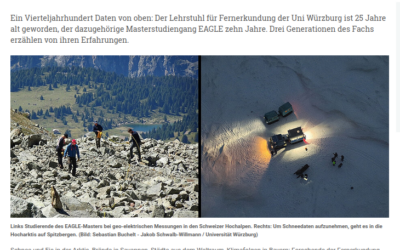
- Student projects, field campaigns, and hands-on training activities
- Outreach, workshops, and community events connecting science with society
Year-End Takeaway: Earth observation thrives through its community — and 2025 showcased growth, dedication, and shared success.
🔗 Further reading:
https://www.remote-sensing.org/category/students/
🔭 Looking Ahead to 2026
The transition from 2025 to 2026 marks more than a new calendar year. It reflects a field that continues to evolve — scientifically, technologically, and socially. With strong foundations laid in 2025, our Earth Observation Research Cluster looks forward to another year of impactful research, collaboration, and discovery.
🌐 Browse through more stories, publications, and updates at:
https://www.remote-sensing.org/