
Description:
Arid and semi-arid regions cover about 40% of the world’s land and host over 30% of its population, making them vital and vulnerable. Drylands are expanding, with significant water shortage in large basins due to climate change, while at the same time devasting flash floods have occurred recently. Despite their climatic extremes and strong response to climate fluctuations, their sensitivity and reaction times are not well understood. Better knowledge of dryland development and dynamics under climate change supports preservation of ecosystems and boosts resilience.
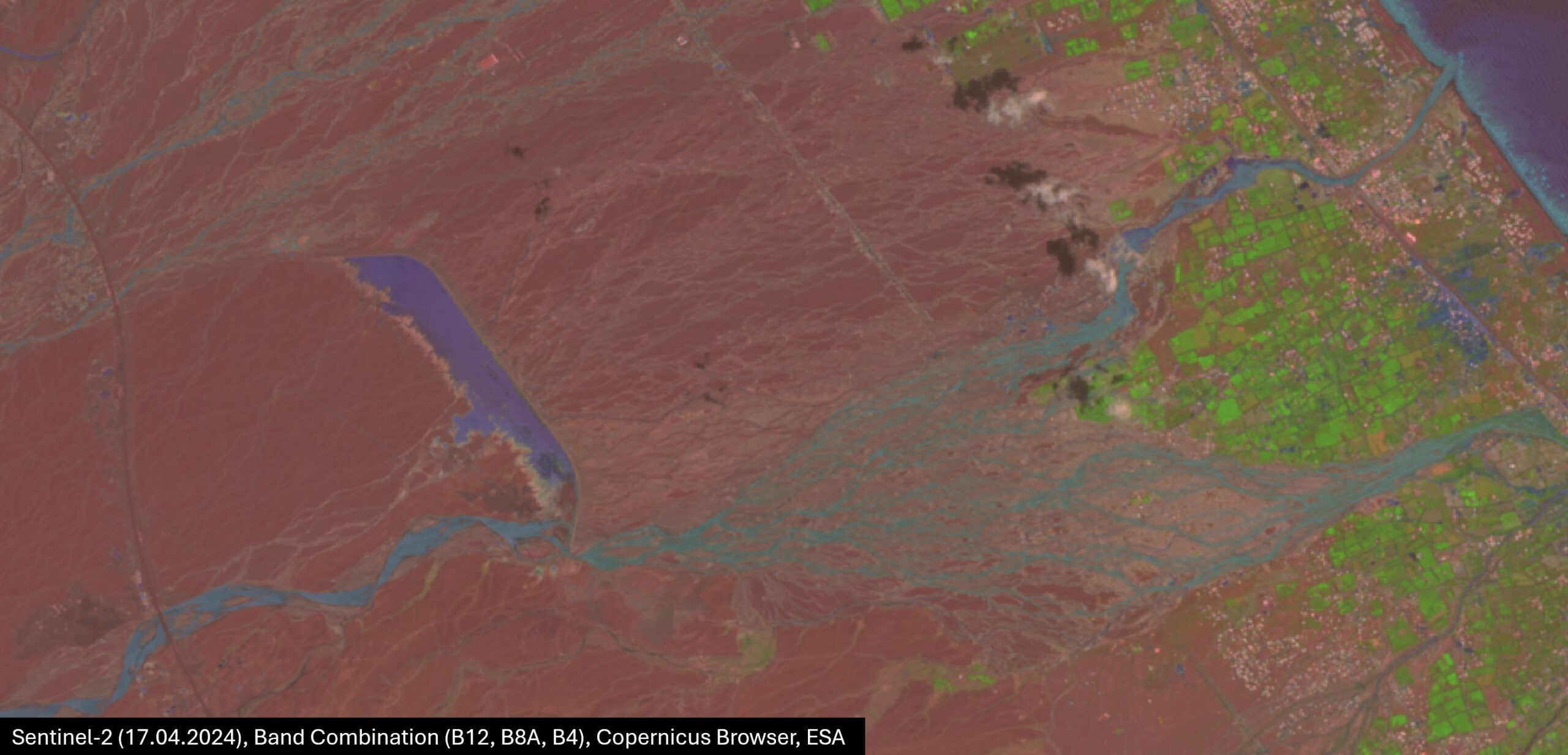
This collection focuses on dynamic fluvial systems of arid and semiarid regions, asking for new techniques and interdisciplinary approaches to address key issues and advancements in these environments in face of climate change. The contributions within this collection emphasize the role of geoscience, remote sensing and earth observation technologies in monitoring, modelling and/or analyzing rapid or long-term environmental changes and patterns in arid fluvial landscapes, offering new insights into their unique characteristics, complex interactions, and the challenges they face.
Submissions may focus, but are not limited to, the structure, function, and management of flash floods, riverine and riparian environments, providing insights into their critical role in supporting life and sustaining natural processes in arid areas. Additionally, the collection welcomes studies on bio-geomorphology and geomorphology, which delve into the interactions between biological processes and landforms, e.g. on how these relationships shape the landscape over time, revealing the dynamic interplay between living organisms and their physical environment.
Keywords:
remote sensing; hydrological modelling; flash floods; semiarid; arid; river systems; biogeomorphology; geomorphology; earth observation; riparian systems; climate change,
Links and further reading: