
Are you passionate about understanding the planet’s complex systems? Do you want to learn how to apply cutting-edge Earth Observation technologies to address some of the most pressing environmental and societal challenges of our time? If so, our EAGLE MSc in Applied Earth Observation is the perfect opportunity for you! Apply before May 15th at www.eagle-science.org.
Our program offers applied Earth Observation courses how to use Earth Observation (EO) technologies, such as remote sensing and satellite data, to gain insights into environmental changes, urban dynamics, conservation efforts, or agricultural practices. Whether you are interested in tackling urban development issues, enhancing biodiversity protection, or improving agricultural practices, this program will equip you with the skills you need to make a real-world impact—from Africa to the Arctic.
Why Choose the MSc in Applied Earth Observation?
The MSc in Applied Earth Observation is more than just a degree; it’s a comprehensive, hands-on journey that prepares you for a future in one of the most dynamic and impactful fields of the 21st century. Here’s what you’ll gain from the program:
1. Master Remote Sensing Techniques:
Remote sensing is a powerful tool for collecting data about the Earth’s surface without direct contact. You’ll gain a solid foundation in both active and passive remote sensing methods, learning how to gather and interpret data from satellites, drones, and other platforms. Whether you’re analyzing land cover changes, monitoring air quality, or tracking climate change, you’ll develop the expertise to interpret the data that tells the story of our planet.
2. Explore Global Applications:
Earth Observation has applications in a wide range of disciplines. Throughout the program, you’ll learn how to apply EO technologies to solve real-world problems in various domains:
-
Urban Research: Use EO to monitor urbanization, assess land use changes, and optimize infrastructure planning.
-
Conservation: Protect biodiversity by tracking ecosystem changes, monitoring deforestation, and understanding habitat fragmentation.
-
Agriculture in Europe or Africa: Optimize crop management, assess land degradation, and improve food security through remote sensing.
-
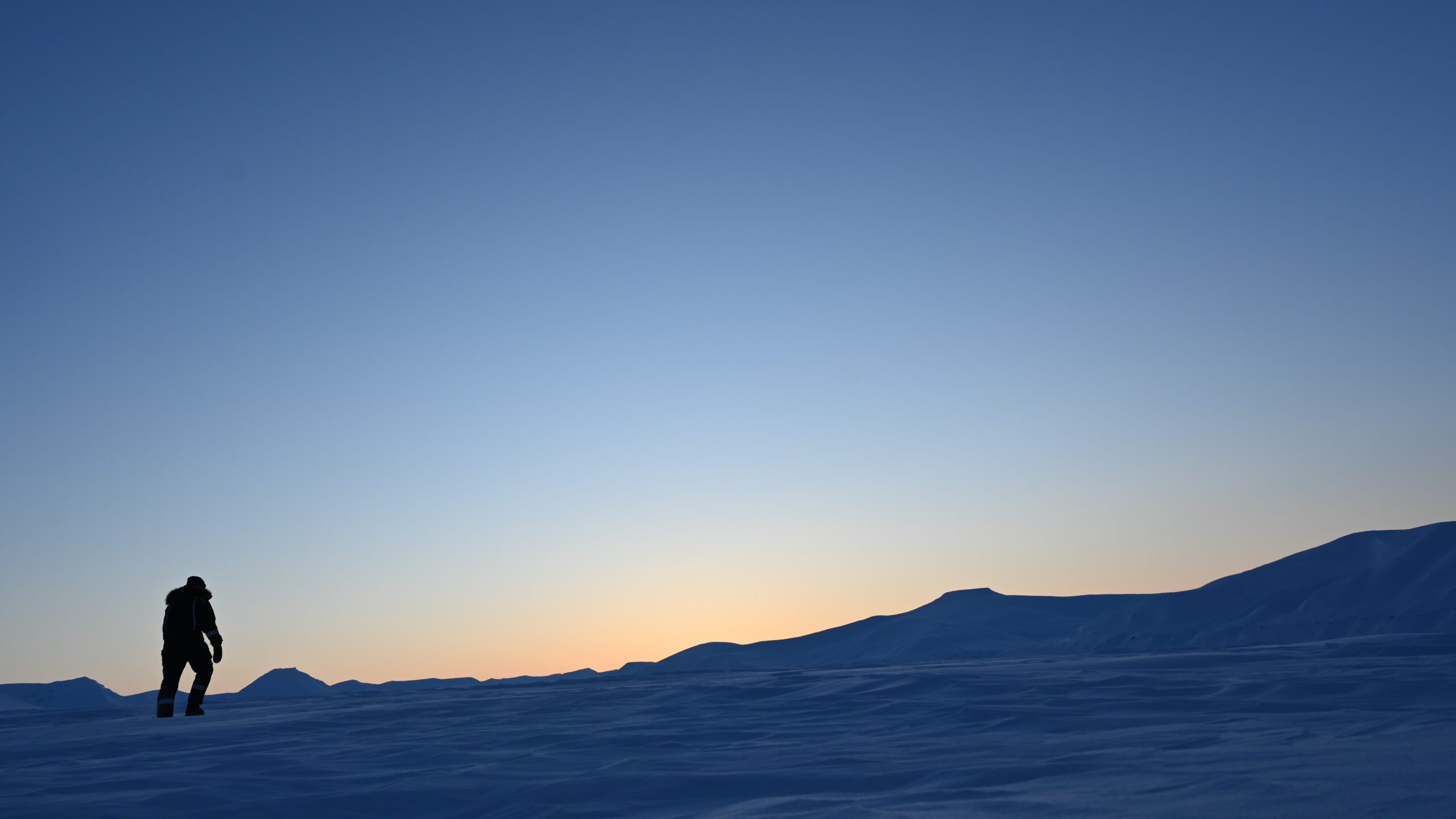
Climate Change and Arctic Research: Study the impacts of climate change in remote regions like the Arctic, and help mitigate its effects through informed decision-making.
3. Develop Programming and Data Visualization Skills:
Remote sensing data often requires sophisticated analysis and visualization. In our MSc program, you’ll gain hands-on experience with programming languages like Python and R, as well as tools for processing and analyzing vast amounts of geospatial data. You’ll also learn how to visualize complex data through compelling maps, charts, and interactive dashboards, making it easier for stakeholders to understand and act on your findings.
4. Learn from Experts and Collaborate with Peers:
The program is taught by internationally recognized faculty who are well established in the field of Earth Observation. You’ll also have the chance to collaborate with fellow students across different generations and from diverse backgrounds, providing a rich learning environment where different perspectives come together to solve global challenges.
5. Real-World Projects and Fieldwork:
This program emphasizes applied learning, which means you’ll work on real-world projects, both in the classroom and in the field. You’ll have the opportunity to collaborate with organizations, governments, and NGOs to address key challenges using Earth Observation tools. Whether you’re working on a project in an African nationlparks or a research expedition in the Arctic, you’ll gain practical, hands-on experience that will make you a leader in this exciting field.
6. Opportunities for Networking and Career Development:
As part of the program, you’ll have access to a global network of Earth Observation professionals and researchers. Our partnerships with leading research institutions, NGOs, and industry players ensure that you have ample opportunities to connect with experts in the field and expand your professional network. This can be the gateway to a fulfilling career in academia, government, or private industry.
Who Should Apply?
We welcome applicants from a wide range of academic backgrounds, including environmental science, geography, engineering, urban studies, and agriculture. If you’re a curious, driven individual with an interest in science, technology, and sustainability, this program is for you.
How to Apply?
The deadline for applications is May 15th. Don’t miss your chance to join our EAGLE program and become part of a community dedicated to making the planet a better place.
Visit our website at www.eagle-science.org for more information on the application process, curriculum, and internship/thesis opportunities.
Ready to Make an Impact?
The world is changing rapidly, and the need for skilled professionals who can use Earth Observation technologies to understand and mitigate these changes has never been greater. Join our MSc in Applied Earth Observation and be at the forefront of scientific discovery, environmental protection, and sustainable development.
Together, we can make sense of what’s happening on our planet—and help shape its future for generations to come.