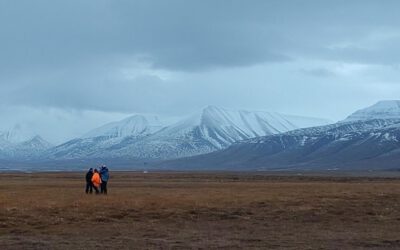

Recently, a group of our Earth Observation EAGLE students embarked on an exciting fieldwork adventure in the breathtaking high mountains, specifically around the research station UFS. Their mission? To collect crucial snow depth measurements that contribute to our understanding of alpine systems and their dynamics.
A Journey Through Snow-Covered Landscapes
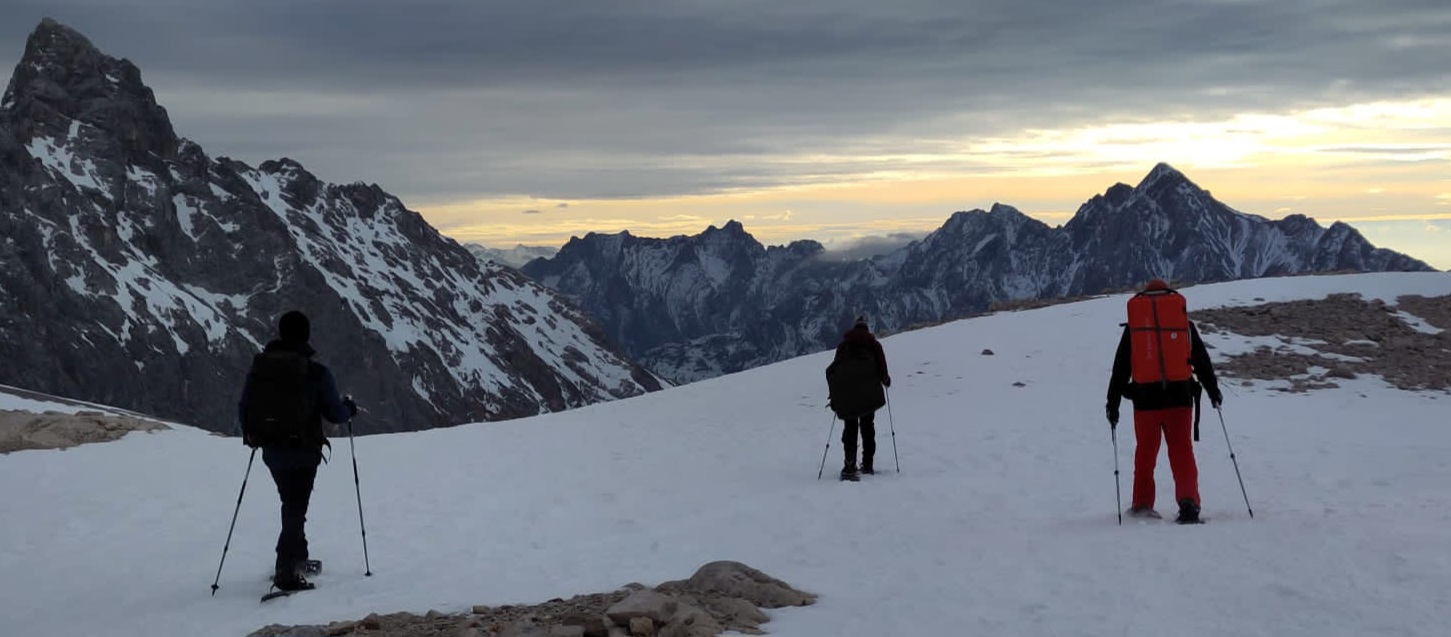
Equipped with snowshoes, the students navigated through the stunning, snow-laden alpine terrain, braving the elements for several days – supervised by our PhD students Elio Rauth and Basil Tufail, an EAGLE alumni himself. This hands-on experience not only provided the students with valuable data but also allowed them to immerse themselves in the unique ecosystem of the high mountains. The team successfully collected 80 snow depth measurements, a task that requires both physical endurance and scientific precision.
Collaboration and Community at Schneefernerhaus
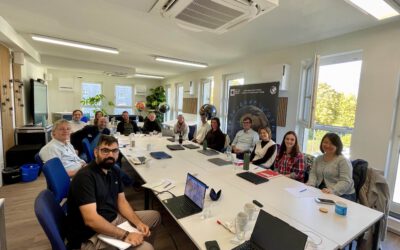
At the end of each day, the students returned to the Schneefernerhaus research station, where they enjoyed a warm and welcoming environment. The logistics at the station were exceptional, providing the perfect setting for collaboration and reflection after a day of fieldwork. Sharing their experiences and findings in the company of fellow researchers and students enriched their learning journey.
The Importance of Snow Depth Measurements
Snow depth measurements are vital for various reasons. They play a significant role in understanding water resources, predicting avalanches, and studying climate change impacts in alpine regions. By gathering this data, the Earth Observation Eagle students contribute to a broader understanding of these critical issues, helping inform future research and policy decisions.
Conclusion
The fieldwork conducted by the Earth Observation Eagle students in the high mountains exemplifies the spirit of inquiry, teamwork, and dedication to scientific exploration. Their efforts not only enhance their own learning experiences but also contribute to the collective knowledge needed to address environmental challenges in our changing world.