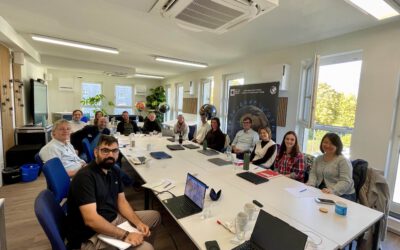
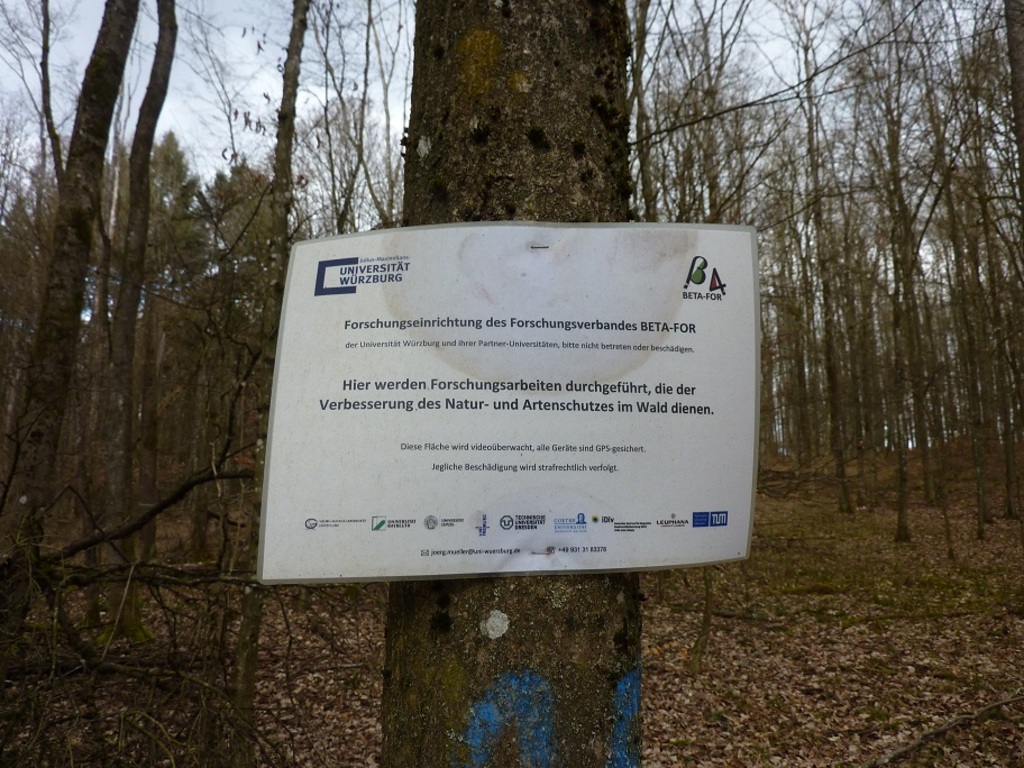

In the context of the BETA-FOR project, a field trip was conducted in the University Forest of JMU (close to Hassfurt), Saarland and Nationalpark Hunsrück-Hochwald in order to conduct measurements of the extent of the patches under study and support other PhD students of BETA-FOR setting up insect traps, sound recorder or camera traps. Therefore, observations from airborne and spaceborne remote sensing sensors can be linked to in-situ measurements of biodiversity. This interdisciplinary and multi-scale approach of BETA-FOR allows to bridge the analysis of alpha- and beta-diversity to gamma-scale for larger-scale understanding to enhance the structural complexity of forests by improving multidiversity and multifunctionality.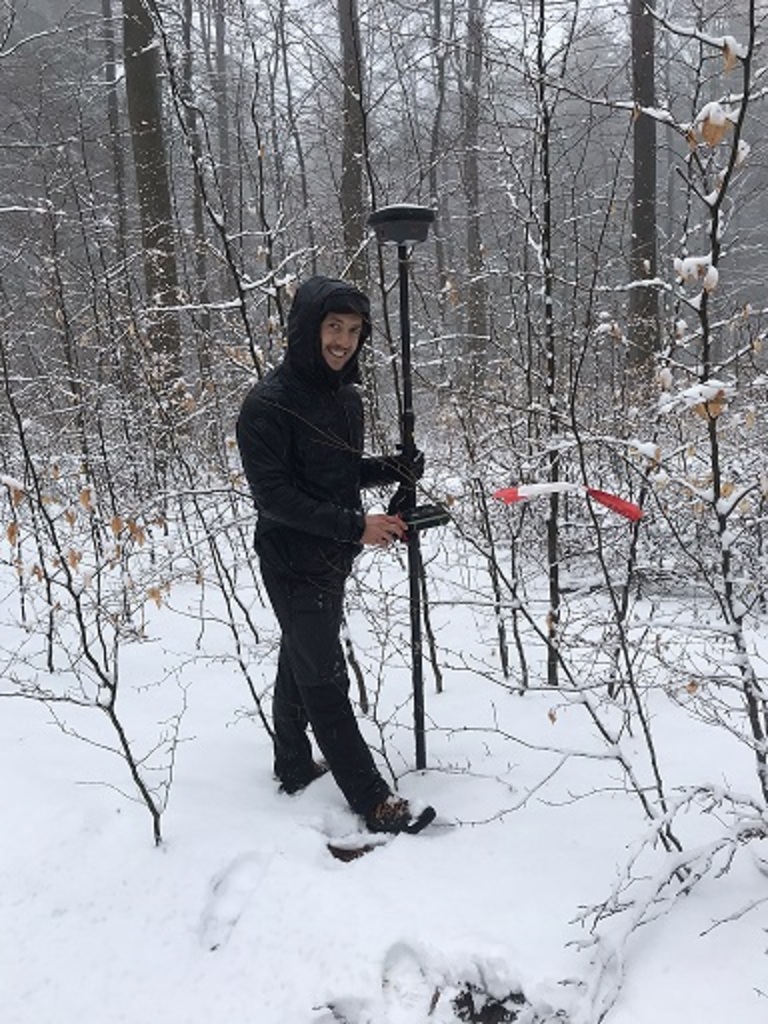

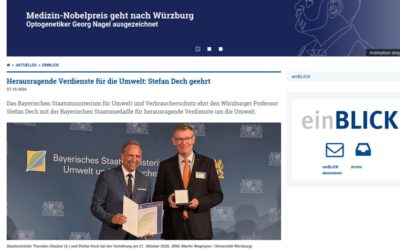
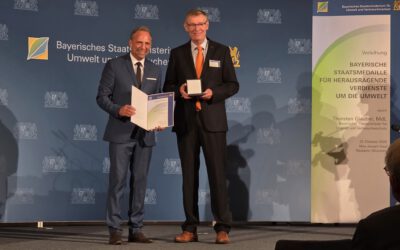
University Press reports on Stefan Dech receiving the Bavarian State Medal
The University of Würzburg’s online magazine einBLICK has covered the award ceremony at which Prof. Stefan Dech received the Bavarian State Medal for Outstanding Services to the Environment on 21 October 2026. The award recognizes his long-standing contributions to...