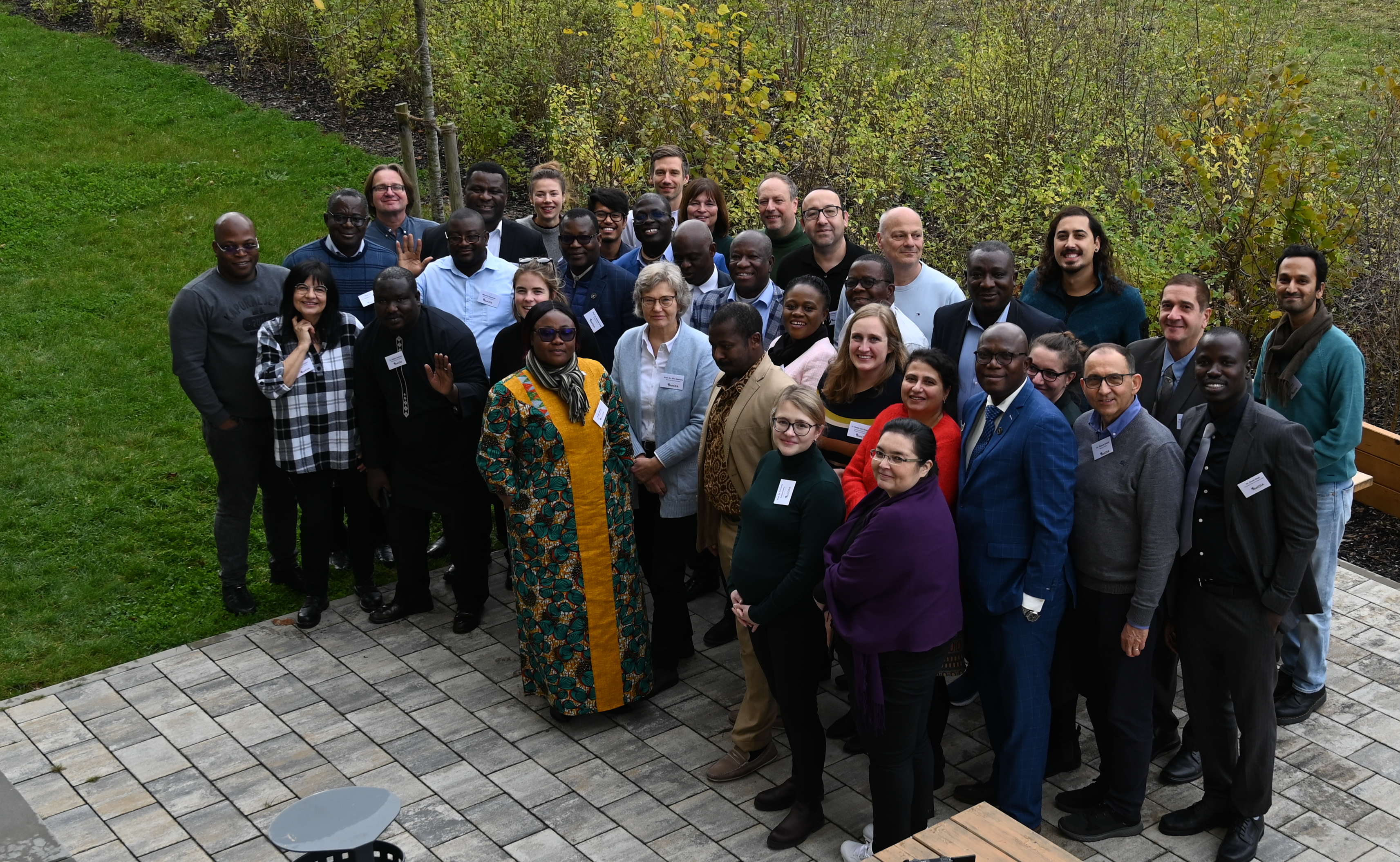

Our project NetCDA – European Academic Network for Capacity Development in Climate Change Adaptations in Africa project has been extended for an additional three years.
Over the past two years, NetCDA has demonstrated an impactful close cooperation between European and African partners. The project has supported doctoral training within the WASCAL network, initiated academic exchanges, enabled research visits, and connected researchers across continents.
The newly approved extension allows NetCDA to deepen these efforts, stabilize ongoing research activities, and expand collaborations. A particular focus remains on empowering early‑career African researchers and fostering long‑term, sustainable knowledge exchange and research cooperation.
The new project phase will concentrate on several key areas:
- Continued Support for WASCAL Doctoral Candidates: Research visits at German partner institutions, strengthened co‑supervision, and structured training activities will be expanded to ensure high‑quality academic support.
- Strengthening the German Network of WASCAL Graduate Schools: A more connected, collaborative structure will help align goals, share expertise, and create synergy across institutions.
- Building a Long‑Term Academic Research Network: NetCDA aims to establish a lasting platform for scientific exchange between Europe and Africa, focused on climate change adaptation and sustainable land use.
- Further Development of Trainings, Workshops, and Educational Tools: create resources which will continue to improve academic training and facilitate knowledge transfer within West Africa’s climate research community.
NetCDA thrives on the dedication of its partner universities, research organizations, and the passionate students and doctoral researchers who drive scientific progress. The three‑year extension is not just an administrative decision — it reflects a long‑term commitment to global climate responsibility and capacity building where it matters most.
The upcoming years will be used to consolidate the network, enhance research activities, and generate new momentum for education, climate adaptation, and international cooperation.
We look very much forward to continuing this journey with our strong partners from Germany and West Africa.