
Our students have recently turned their fieldwork at the Environmental Research Station Schneefernerhaus into a published press article, showcasing how hands‑on glacier and snow research becomes part of real scientific communication.
Our course at Schneefernerhaus
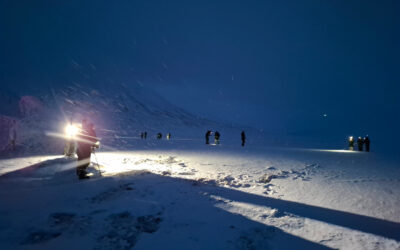
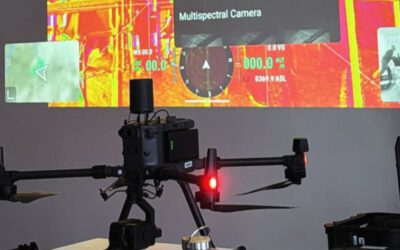
The course took place at the Environmental Research Station Schneefernerhaus on the Zugspitze, one of Europe’s highest and most renowned mountain research platforms for atmosphere, climate, and cryosphere studies. As part of the curriculum, students collected and analyzed snow depth data in the high‑alpine environment around the station, learning how measurements on the ground complement long‑term monitoring and remote sensing approaches.
From field data to article
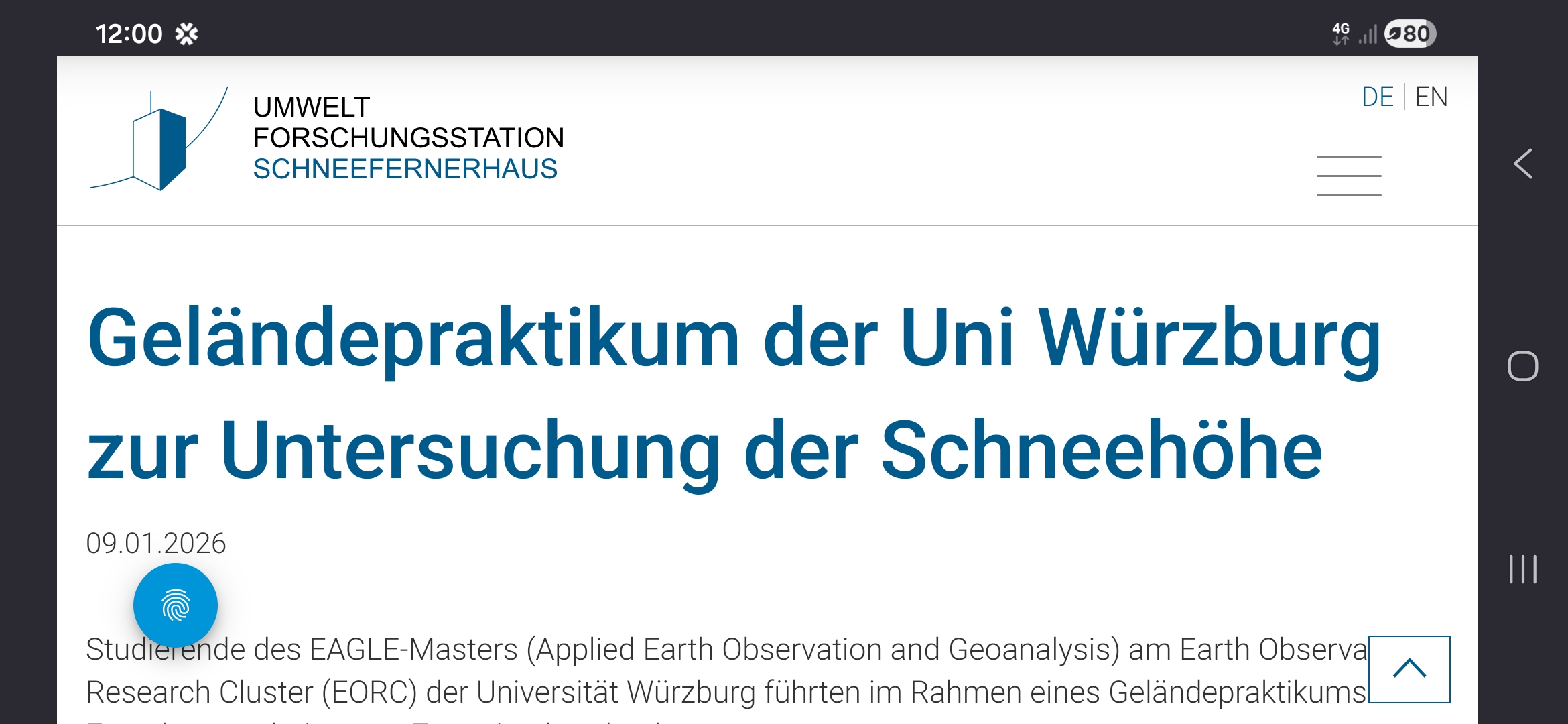
After returning from the field, the students transformed their measurements, photos, and reflections into a press article that was published via the Schneefernerhaus news section, giving a broader audience insight into their snow‑depth campaign. This experience allowed them to practice describing complex methods and findings in clear, accessible language, an essential skill for communicating climate and mountain research beyond the academic community.
Why this experience matters
Working at Schneefernerhaus connects teaching directly with ongoing high‑altitude research on weather, atmosphere, and climate change, and shows how student projects can meaningfully contribute to current questions about snow and ice in the Alps. The new press article is a visible result of this collaboration: it documents the course, highlights the students’ engagement with real data in an extreme environment, and underlines the value of integrating research‑based learning into university education.
read the press article here: https://schneefernerhaus.de/news-article/gelaendepraktikum-der-uni-wuerzburg-zur-untersuchung-der-schneehoehe-236/