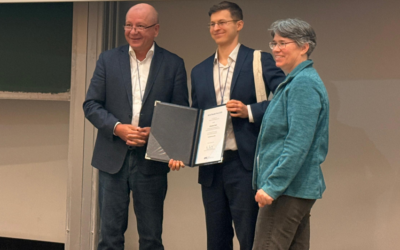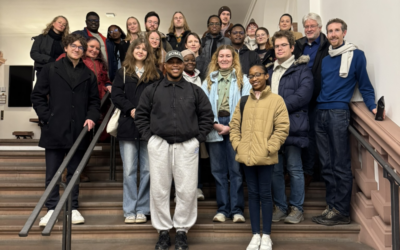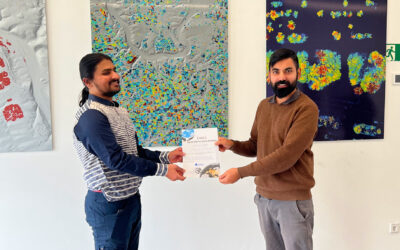

At EAGLE, we recently experimented with a different examination format for our Earth Observation (EO) courses: one that focuses less on presentations and more on building reusable scientific software.
Instead of giving a final talk, each student had to develop a fully-fledged R package for a specific EO application. The package needed proper documentation, installation instructions, usage examples, and a public Git repository explaining both the scientific problem and the workflow.
But the real innovation came in the final examination itself.
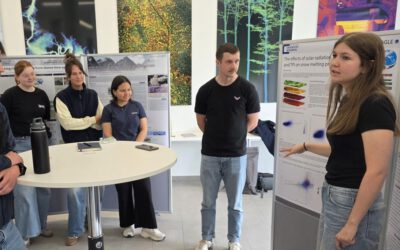
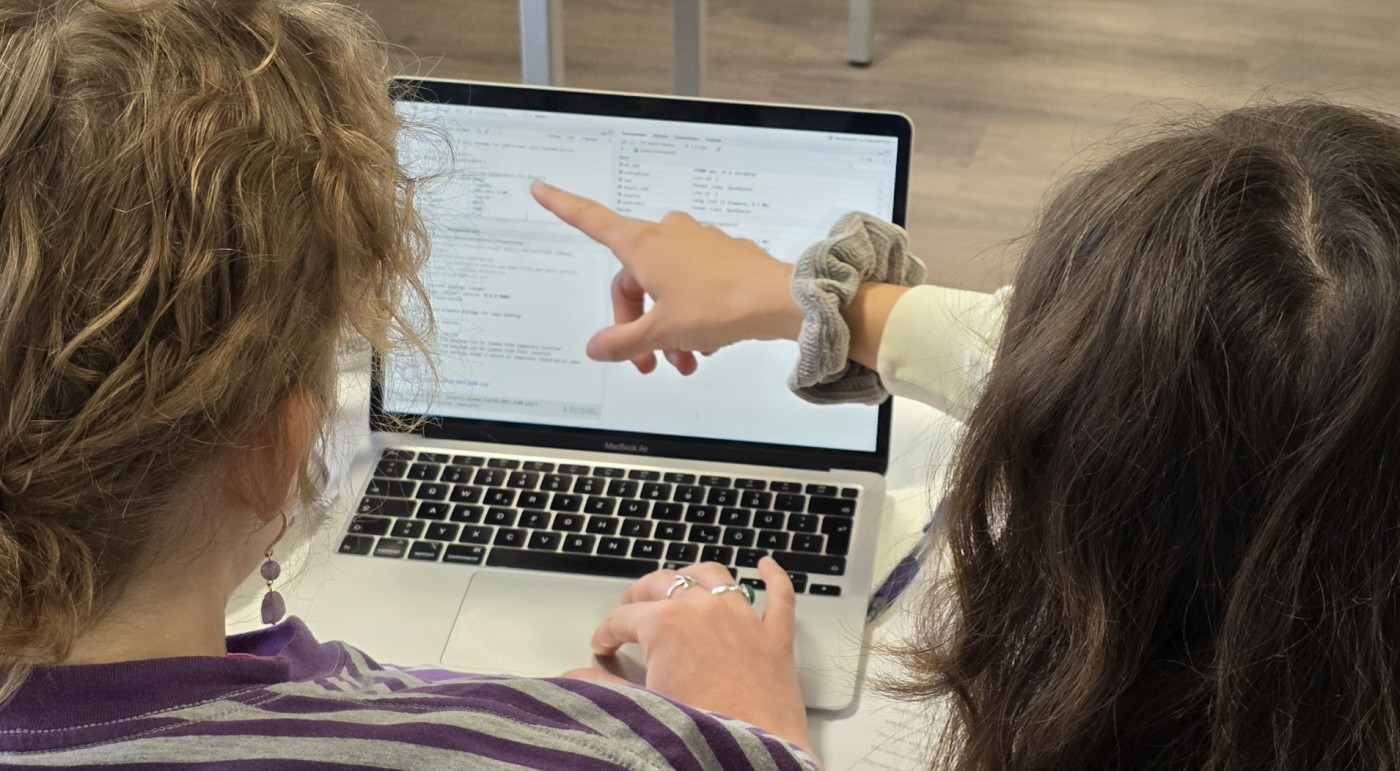
Rather than sitting through twenty or so student presentations, the course concluded with a structured peer-review session. Students critically reviewed each other’s packages by testing installation procedures, reading code, evaluating documentation, and assessing whether the software would actually be useful for their own future research.
This transformed the examination into a multidirectional learning exercise. Students learned:
- how to structure and document scientific software,
- how to use Git-based workflows,
- how to read and evaluate code written by others,
- and what makes research software genuinely usable and reproducible.
Perhaps most importantly, they experienced first-hand how different coding styles, design decisions, and documentation approaches affect usability and collaboration.
The format mirrors modern scientific practice more closely than traditional exams. In remote sensing research, software is rarely judged by slides alone, it is evaluated through transparency, reproducibility, maintainability, and peer scrutiny.
The result was an examination environment that resembled an open-source development workshop more than a classical university exam.
And that was exactly the goal of the course by our lecturer Dr. Ariane Droin and Dr. Martin Wegmann.