
We’re happy that we are officially joining the Space Days Würzburg, from October 9th to 10th, 2026. The event brings together astronomy, informatics, and space science for two days, and we contribute Earth observation. Because studying space isn’t just about looking out. Sometimes the most useful thing you can do with a satellite is point it back down at us.
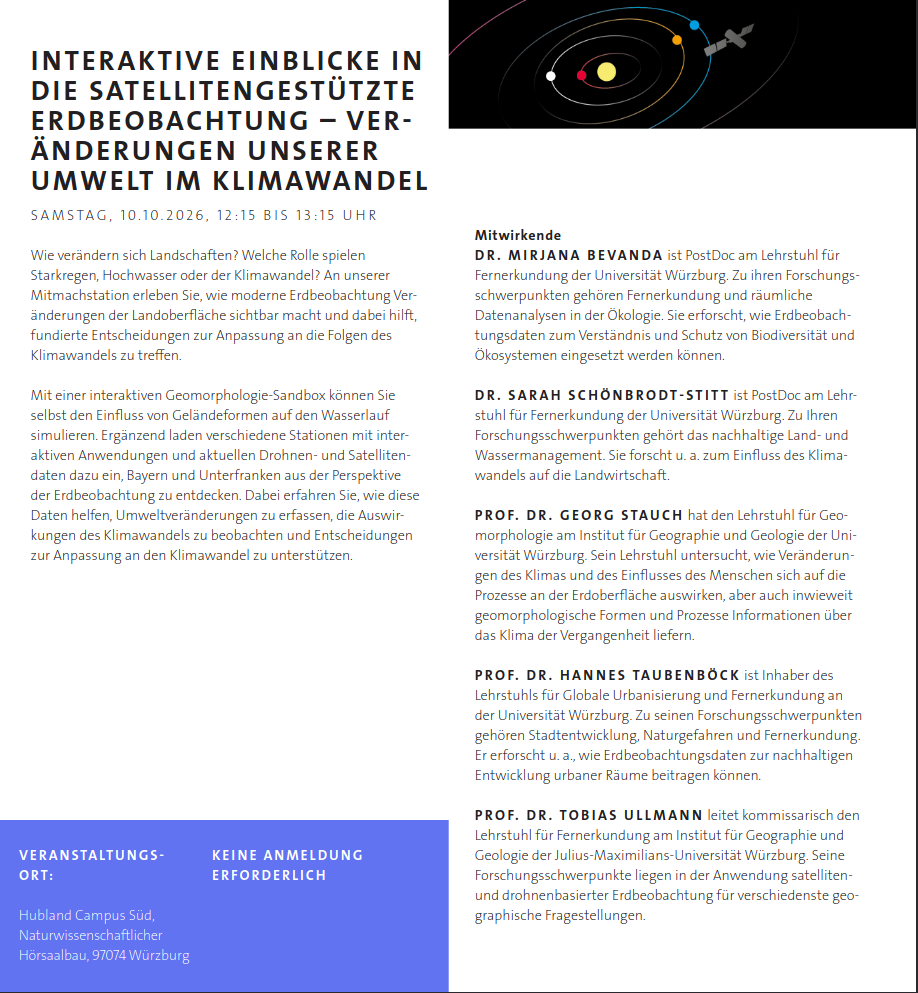
You’ll find us at John-Skilton-Straße 4a with a hands-on station called “Interaktive Einblicke in die satellitengestützte Erdbeobachtung – Veränderungen unserer Umwelt im Klimawandel.” A mouthful, we know. But the idea behind it is simple: how do landscapes change over time, and what role do things like heavy rainfall, flooding, or the broader climate crisis play in that? Come by and see for yourself how modern Earth observation makes these changes visible, and how that data actually helps people make better decisions about adapting to a changing climate.
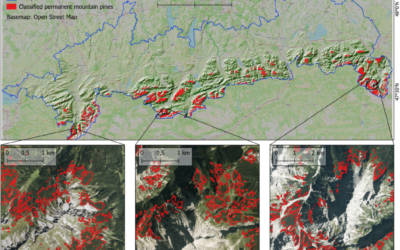
The centerpiece is an interactive geomorphology sandbox, where you can shape the terrain with your own hands and watch how water finds its way across it. It’s a simple demo, but it makes something abstract, how landforms steer water, suddenly click. Alongside that, we’ll have several stations running interactive applications with real drone and satellite data, so you can explore Bavaria and Lower Franconia the way we see it: from above. You’ll get a feel for how this kind of data helps track environmental change, monitor the effects of climate change, and support decisions on how to adapt to it.
None of this happens without the people behind it, so let us introduce who you’ll actually be talking to at the station.
Dr. Mirjana Bevanda is a postdoc at the Chair of Remote Sensing here in Würzburg. Her work centers on remote sensing and spatial data analysis in ecology, and she looks at how Earth observation data can help us understand and protect biodiversity and ecosystems.
Dr. Sarah Schönbrodt-Stitt is also a postdoc at the Chair of Remote Sensing. She focuses on sustainable land and water management, including how climate change is reshaping agriculture.
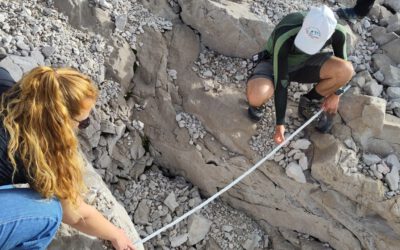
Prof. Dr. Georg Stauch holds the Chair of Geomorphology at the Institute of Geography and Geology. His group looks at how climate change and human influence shape processes at the Earth’s surface, and, going the other direction, how geomorphological forms and processes can tell us something about the climate of the past.
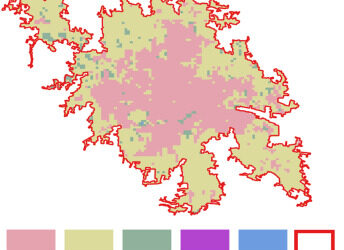
Prof. Dr. Hannes Taubenböck holds the Chair of Global Urbanization and Remote Sensing. His research spans urban development, natural hazards, and remote sensing, with a particular interest in how Earth observation data can support sustainable development in cities.
Prof. Dr. Tobias Ullmann is currently heading the Chair of Remote Sensing at the Institute of Geography and Geology at JMU Würzburg. His focus is on applying satellite and drone-based Earth observation to all kinds of geographic questions.
No registration needed, just drop by. We’d love to show you what Earth observation can do, and maybe get a little muddy in the sandbox together.