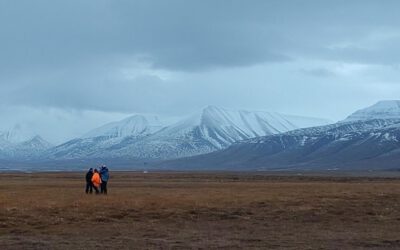

The Arctic is one of the most extreme and fascinating environments on Earth, offering an unparalleled opportunity for scientific research. For Eagle MSC students Lena and Ronja, this unique landscape is not just a place of study—it’s also an unforgettable adventure. Currently conducting groundbreaking fieldwork in the Arctic, they are harnessing the power of UAS-based (Unoccupied Aerial Systems) remote sensing to explore the region’s snow conditions, ecological dynamics, and vegetation interactions. Their research is made even more dynamic through collaboration with their colleagues at the University Centre in Svalbard (UNIS) in Longyearbyen, one of the northernmost settlements in the world.
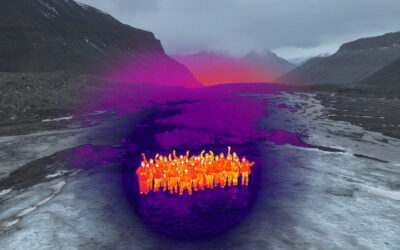
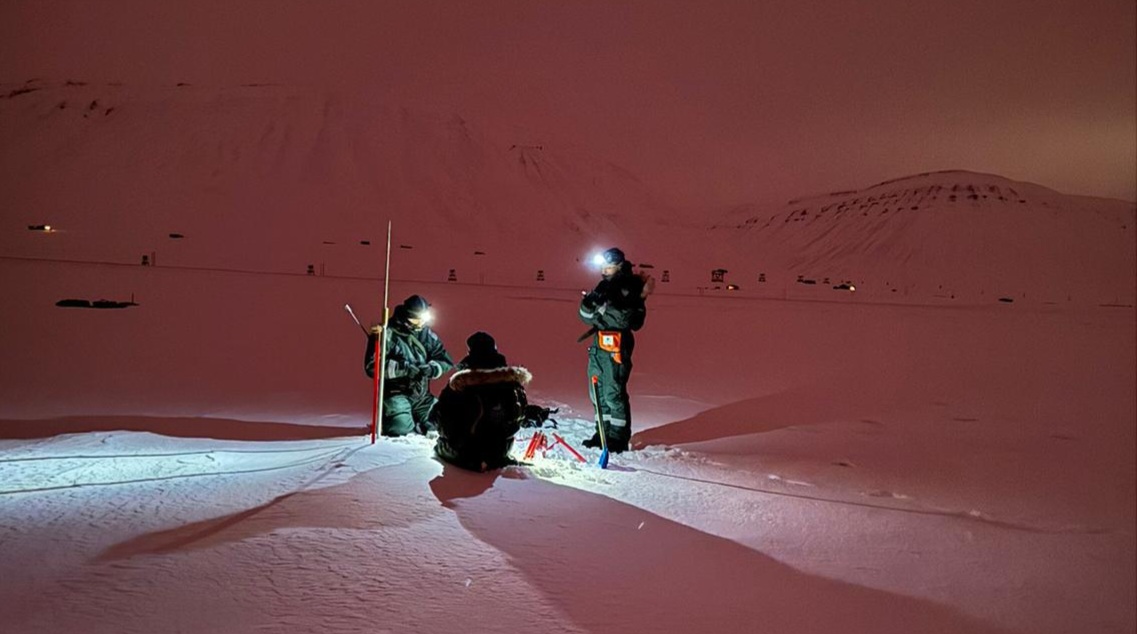
Lena and Ronja’s research focuses on analyzing the changing landscape of the Arctic through thermal (and multispectral) remote sensing techniques. Using drones equipped with advanced sensors, they gather critical data on snow conditions, vegetation health, and ecological interactions in this pristine environment. Remote sensing allows for detailed and precise monitoring of the terrain, helping scientists understand how climate change is affecting both the landscape and local ecosystems.
The Arctic is particularly vulnerable to environmental changes, with warming temperatures accelerating the melting of snow and ice, impacting local wildlife and plant life. By studying snow coverage, snow depth, and vegetation patterns, Lena and Ronja aim to contribute valuable insights into how these shifts are influencing Arctic ecology.
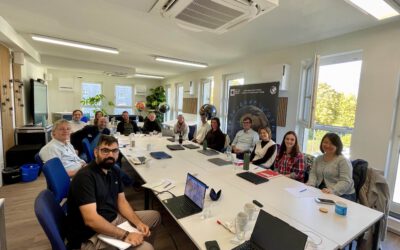
In addition to their hands-on research, Lena and Ronja are collaborating with experts at UNIS, a hub for Arctic research. Their work alongside UNIS colleagues enhances the quality of the research, especially in understanding snow conditions and how they interact with local vegetation. This partnership is crucial, as it provides them access to local knowledge and resources while also helping to strengthen the broader scientific understanding of how the Arctic ecosystem is evolving.
UNIS, with its deep focus on Arctic science, provides a rich environment for studying the complex relationships between the region’s snow, climate, and ecosystems. The students are benefiting from this expertise while simultaneously contributing fresh perspectives through their innovative use of UAS technology.
Embracing the Arctic Winter: More Than Just Research
While Lena and Ronja are deeply immersed in their research, they’re also taking full advantage of the Arctic winter’s unique experiences. Longyearbyen, with its stark beauty and endless landscapes of snow, ice, and rugged mountains, provides an incredible backdrop for both professional and personal discovery. The challenges of the Arctic winter—where the sun doesn’t rise for months—add a fascinating layer to their research, as the environmental conditions themselves become a part of the study.
In the midst of their research, Lena and Ronja have embraced the Arctic’s quiet majesty. From the thrill of observing the Northern Lights to the physical demands of working in sub-zero temperatures, every day offers a new experience and lesson. It’s not just about scientific discovery but about learning to thrive in one of the most remote and extreme environments on the planet.
Looking Ahead: The Future of Arctic Research
The data Lena and Ronja are collecting is invaluable, offering insights into the changing Arctic landscape and the broader implications for global climate change. With their innovative approach, combining UAS technology with on-the-ground ecological research, they’re contributing to a growing body of knowledge that will help shape future efforts in Arctic conservation and environmental management.
Their experience in the Arctic is also a reminder of the power of collaboration in science. By working with UNIS and tapping into a rich network of Arctic researchers, they’re not just advancing their studies but also fostering connections that will support their careers and further research into this critical area.
For Lena and Ronja, this is more than just a fieldwork assignment—it’s a once-in-a-lifetime opportunity to experience and understand the Arctic like never before. Through their research and their personal experiences, they are contributing to a deeper understanding of one of the most important regions on Earth. The Arctic is changing, and their work may just help us better understand how to protect this fragile ecosystem for future generations.
Stay tuned for more updates from Lena and Ronja as they continue their research in the Arctic, bringing the latest findings from the frozen frontier directly to you.
Supervisor: Dr. Mirjana Bevanda (EORC)