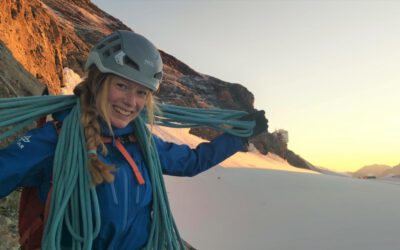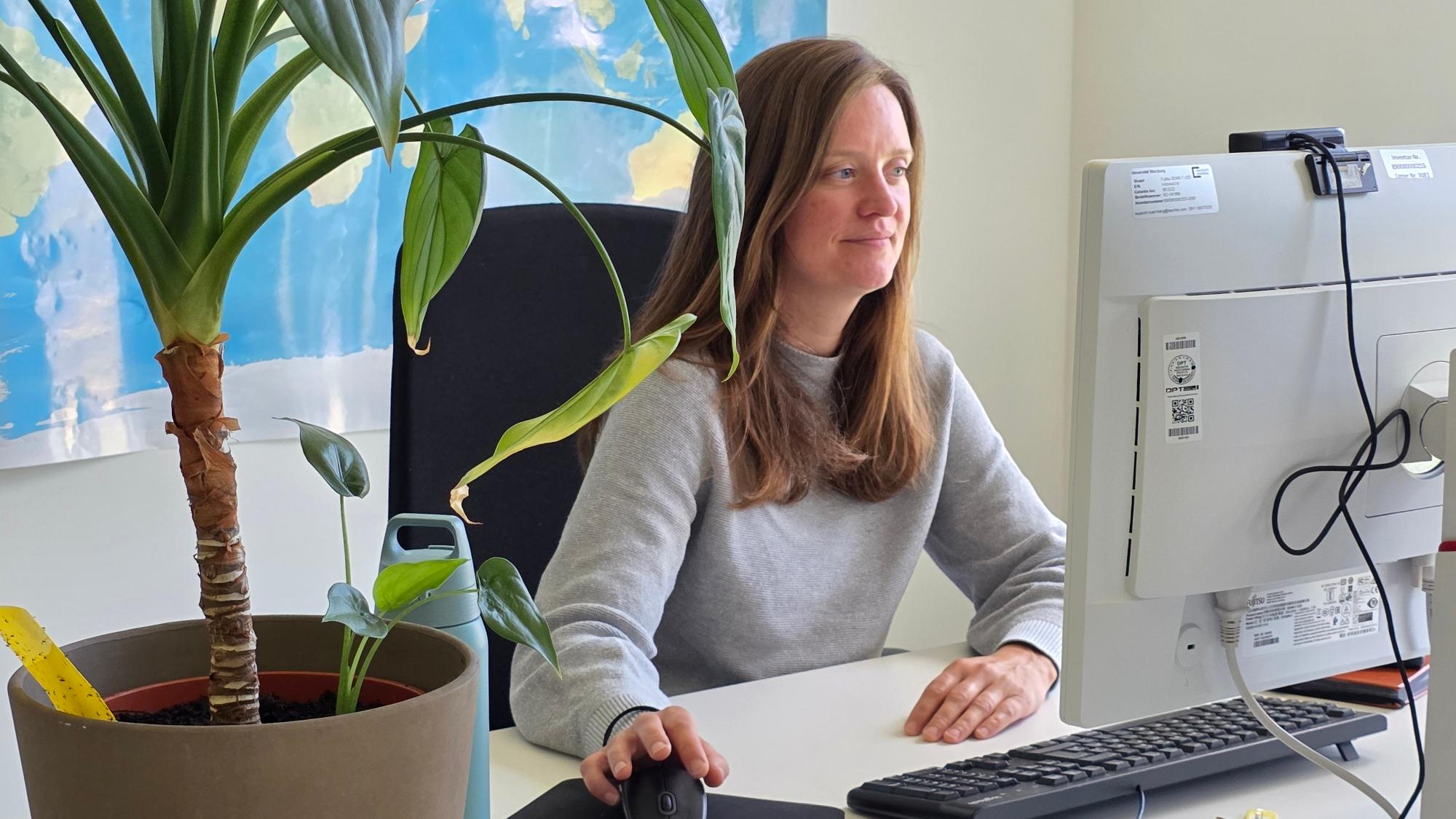

At the Earth Observation Research Cluster (EORC) at the University of Würzburg, Dr. Martina Wilde combines geomorphology, natural hazard research, and remote sensing to better understand environmental risks and landscape dynamics. Her work focuses on landslides, slope stability, and the use of geospatial technologies to analyze how environmental change affects vulnerable regions.
Research on Landslides and Environmental Hazards
Her work integrates geomorphological field investigations, UAV- and remote sensing-based mapping, photogrammetric analysis, and slope stability- and susceptibility modelling. By combining field observations with Earth observation data and geospatial methods, Martina contributes to improved understanding of natural hazards and their spatial patterns.
Martina completed her PhD at the University of Würzburg with a dissertation on landslide susceptibility assessment in the Chiconquiaco Mountain Range in Veracruz, Mexico. Her research investigated how climatic conditions, terrain characteristics, and land-use dynamics interact to influence slope stability.
Supported through academic exchange programs and collaborative projects, she spent significant time conducting field investigations in landslide-prone areas. Through field campaigns, laboratory analyses, and geospatial modelling, she gained valuable experience combining physical geography with remote sensing and spatial analysis.
These experiences strengthened her interdisciplinary perspective and allowed her to connect local environmental processes with broader questions related to climate change, hazard mitigation, and sustainable land management.
Current Work at the EORC
At the EORC, Martina contributes to research activities addressing environmental change, ecosystem dynamics, and hazard-related processes. Her work bridges classical physical geography with modern Earth observation methods, helping to develop spatially explicit approaches for environmental assessment and monitoring. Martina’s research supports a deeper understanding of landslide processes and how landscapes respond to climatic and anthropogenic pressures. Her work highlights the importance of interdisciplinary Earth observation research for addressing environmental risks and supporting sustainable decision-making.