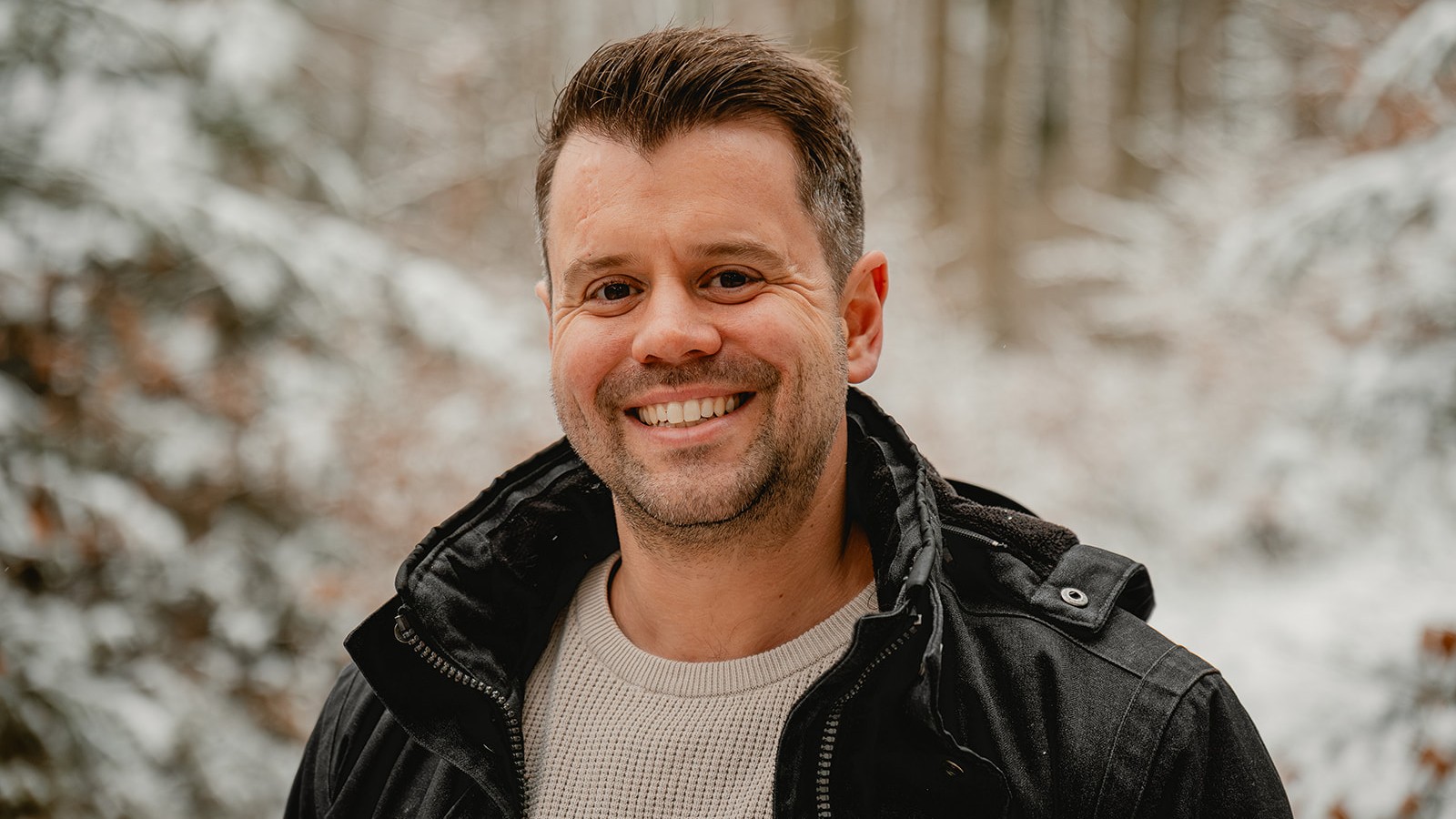

Lecturer Spotlight: Julian Faeth

Lecturer Spotlight: Julian Faeth

October 6, 2026

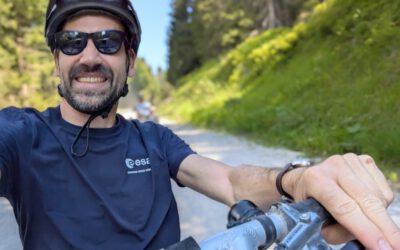
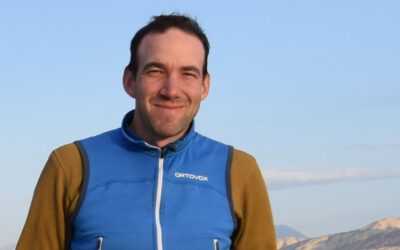
Dr. Julian Fäth is a postdoctoral researcher at our EORC. His teaching combines remote sensing, forest ecology and geospatial data science with a strong focus on operational applications and climate adaptation.

Since 2018, Julian has been actively involved in university teaching at both the Technical University of Munich and the University of Würzburg. Over the years, he has taught courses in soil science, forest ecology, physical geography and Earth observation, covering both theoretical foundations and hands-on practical training. In addition to lectures, seminars and laboratory exercises, he supervises student Innovation Labs, Bachelor’s and Master’s theses. His teaching philosophy bridges science and practice. Building on his background in forest science, Julian places strong emphasis on the operational application of geospatial and Earth observation data. Students work with authentic environmental datasets, satellite imagery and geospatial analyses while learning methods and workflows that are directly relevant for scientific research as well as for forest- and environmental authorities. His goal is to equip students not only with technical skills, but also with a solid understanding of how Earth observation can support sustainable forest management and climate adaptation.

Julian particularly enjoys introducing students to interdisciplinary thinking and demonstrating how remote sensing can bridge the gap between scientific research and practical decision-making.

follow us and share it on:

you may also like:

Lecturer Spotlight: Martin Bachmann

Lecturer Spotlight: Martin Bachmann

Martin's the lecturer who actually built the systems behind the hyperspectral data EAGLE students learn to analyze. He's a research scientist with the Land Surface Dynamics Department at DLR's German Remote Sensing Data Center in Wessling, and his over twenty years of...

Lecturer Spotlight: Tanja Kraus

Lecturer Spotlight: Tanja Kraus

Tanja is the lecturer whose work keeps landing directly on the desks of the people who actually have to act on it: Bavarian ministries, municipalities, foresters, farmers and planners. She joined DLR's German Remote Sensing Data Center (DFD) in 2002 and has been...

Lecturer Spotlight: Michael Wurm

Lecturer Spotlight: Michael Wurm

Michael's the guy you want in front of the class when it's time to actually open up an image and start segmenting it. At EAGLE he teaches the urban side of things: environmental exposure, pollutants, green space, noise, traffic, air pollution, urban heat islands. And...

Lecturer Spotlight: Florian Betz

Lecturer Spotlight: Florian Betz

If you've spent any time around EORC, you've probably crossed paths with Florian at some point, maybe standing knee deep in a riverbed somewhere in Central Asia, or deep in conversation about river dynamics. Florian is a Principal Investigator at the Earth Observation...

Lecturer Spotlight: Celia Baumhoer

Lecturer Spotlight: Celia Baumhoer

Celia's the person who got an entire generation of EAGLE students to care about ice they'll probably never set foot on. She's a postdoctoral researcher in the "Polar and Mountain Regions" team at DLR, and she teaches the EAGLE course “Earth Observation of Cold...

Lecturer Spotlight: Simon Plank

Lecturer Spotlight: Simon Plank

Simon is the lecturer who teaches you what to actually do when a volcano starts erupting and someone needs answers in hours, not weeks. He is with the Natural Hazards team at DLR and runs the EAGLE MSc course "Risk and Disaster Earth Observation," which is basically a...

bzgl. Art. 50 Verordnung (EU) 2024/1689 (AI Act):

Überwiegend werden eigene originäre Texte und Bilder des EORC genutzt, jedoch sind einige Inhalte von blog post Texten teilweise mit Hilfe von KI überarbeitet worden und einige Bilder sind ganz mit KI erstellt, die jedoch deutlich keine photorealistische Darstellungen abbilden. Aussnahmen sind KI generierte fernerkundliche Datensätze, die explizit für Forschungszwecke mit KI erstellt wurden, hier wird aber durch den assoziierten Text der wissenschaftliche Grund der KI generierten Bilder erläutert.

Share This