
Enhancing LiDAR-Based Forest Analysis: A Successful Field Day in the Spessart

Enhancing LiDAR-Based Forest Analysis: A Successful Field Day in the Spessart

March 12, 2025

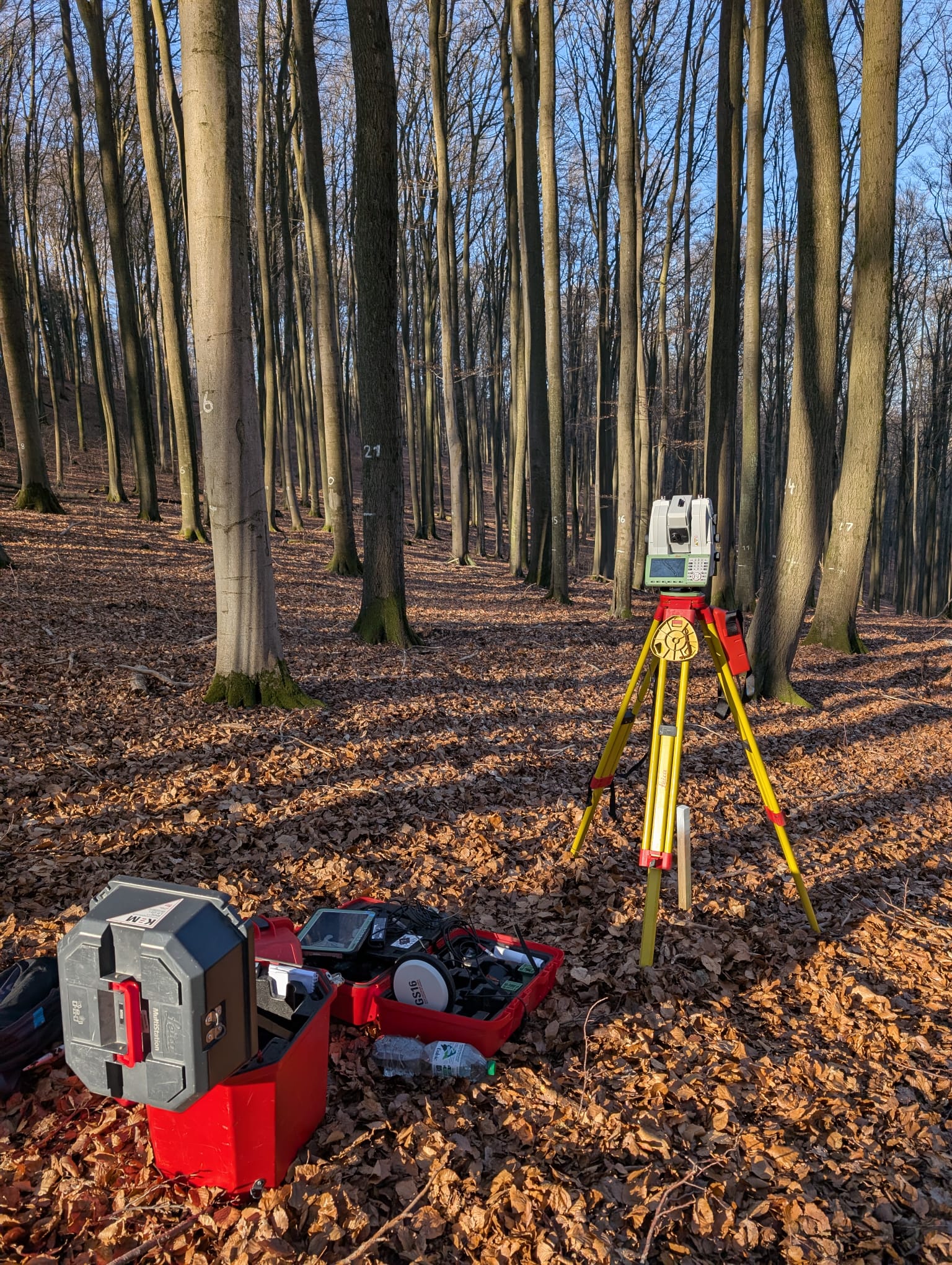
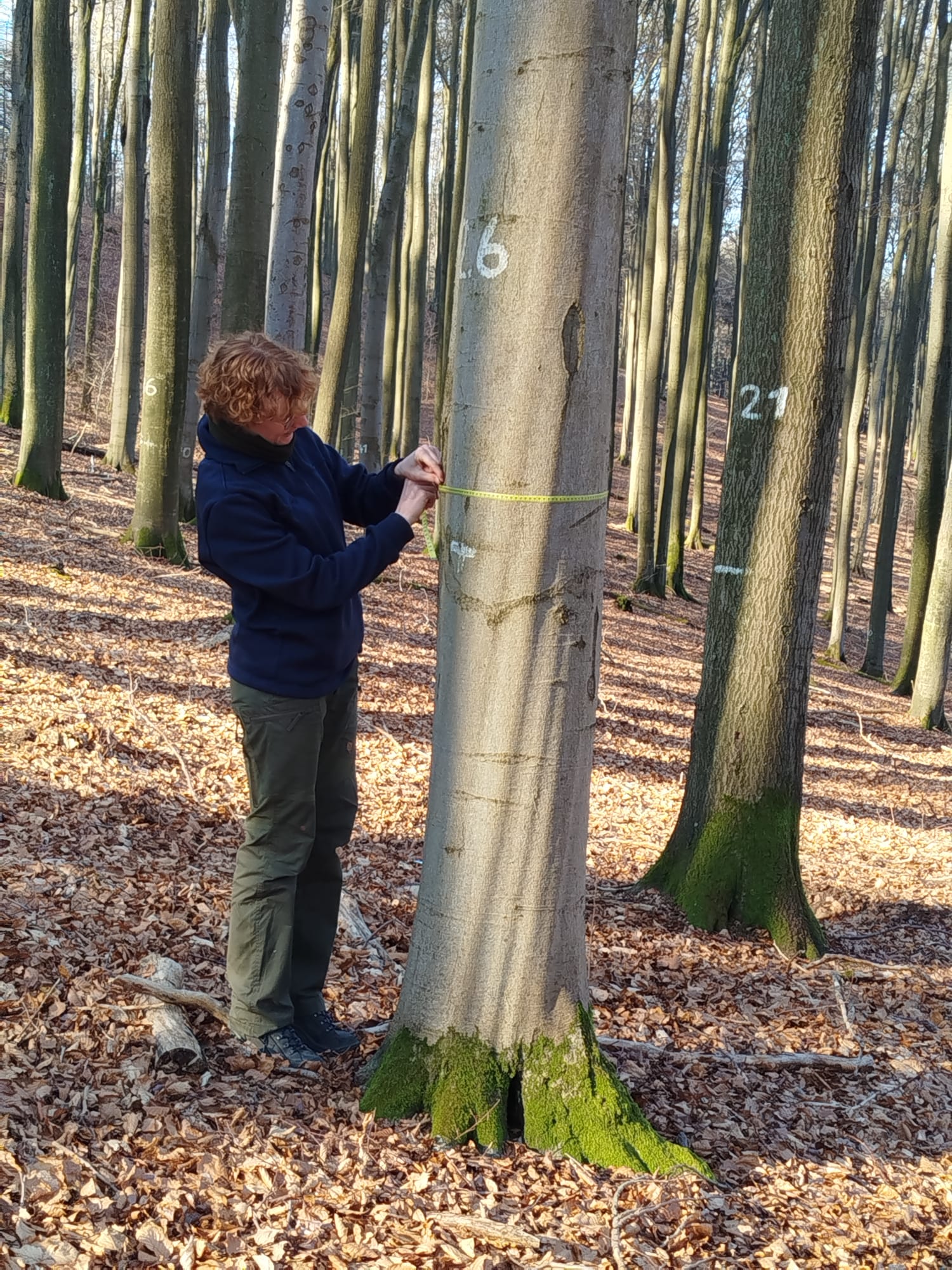
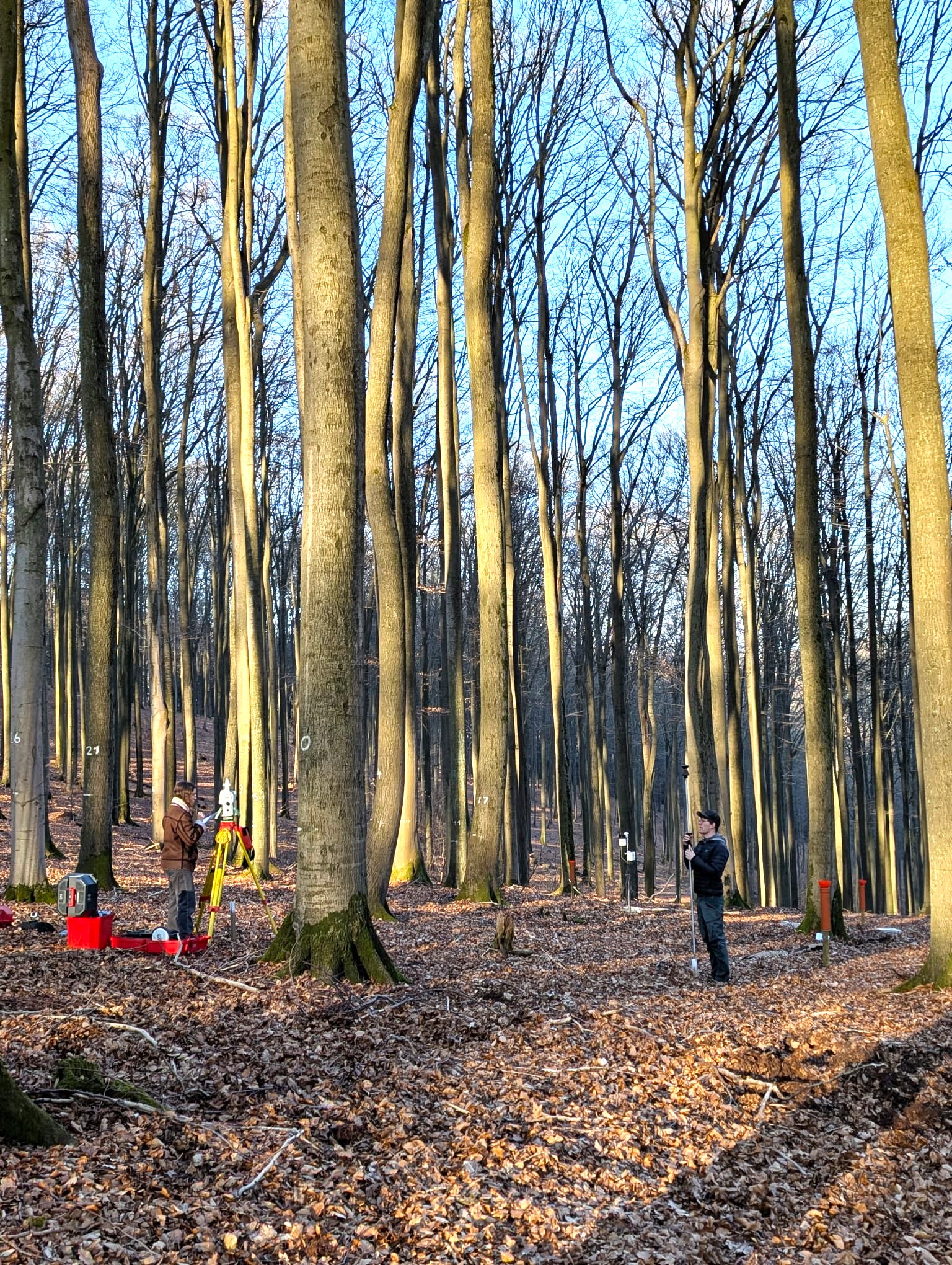
Last week, students and scientific staff from the Earth Observation Research Cluster and the Physical Geography took part in an exciting field day in the Spessart (Lower Franconia, Bavaria) to gather additional data for LiDAR-based tree segmentation and forest characterization research. Under perfect weather conditions with bright sunshine, they conducted additional terrestrial laser scans and collected further in-situ data for ground-truthing. The additional measurements will help refine our segmentation methods and provide valuable validation for our models integrating remote sensing data.

This successful field day underscores the importance of combining remote sensing techniques with ground-truthing data to improve forest structure assessments. We look forward to analyzing the collected data and integrating these findings into our ongoing research project EO4CAM.

follow us and share it on:

you may also like:

Stickers have landed

Stickers have landed

Our new EO stickers arrived last week, and they’re already out in the wild. You may spot them on laptops, water bottles and notebooks around campus. Hex logos, nerdy one-liners about satellites and code, and a few jokes only an Earth observation person will get. And...

Successful MSc Defense by Christina Krause

Successful MSc Defense by Christina Krause

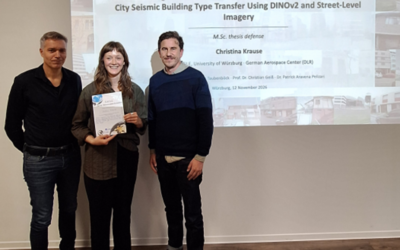
Congratulations to our EAGLE student Christina Krause, who successfully defended her MSc thesis titled "Active Learning and Parameter-Efficient Feature Adaptation for Cross-City Seismic Building Type Transfer Using DINOv2 and Street-Level Imagery" on November 12,...

Successful MSc Defense by Marlene Bauer

Successful MSc Defense by Marlene Bauer

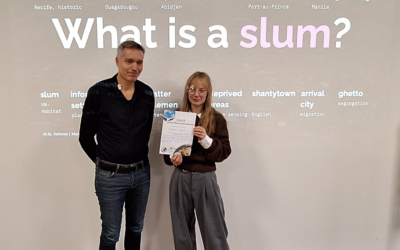
Congratulations to our EAGLE student Marlene Bauer, who successfully defended her MSc thesis titled "Robust and Uncertainty-Aware Informal Settlement Mapping – Cross-City Generalisation Across Diverse Urban Morphologies Using High-Resolution Satellite Imagery in...

Help Us Understand Ticks: Join the MONID HABITRACK Study

Help Us Understand Ticks: Join the MONID HABITRACK Study

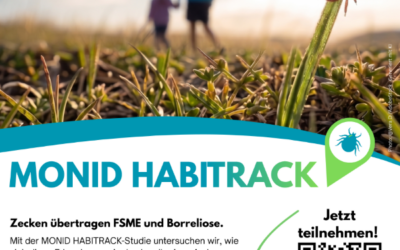
Lyme borreliosis and tick-borne encephalitis (TBE) are the most common tick-borne diseases in Germany, and they are becoming more relevant. Many infections go unnoticed because they cause mild symptoms or none at all. The MONID HABITRACK project, funded by the BMFTR,...

bzgl. Art. 50 Verordnung (EU) 2024/1689 (AI Act):

Überwiegend werden eigene originäre Texte und Bilder des EORC genutzt, jedoch sind einige Inhalte von blog post Texten teilweise mit Hilfe von KI überarbeitet worden und einige Bilder sind ganz mit KI erstellt, die jedoch deutlich keine photorealistische Darstellungen abbilden. Aussnahmen sind KI generierte fernerkundliche Datensätze, die explizit für Forschungszwecke mit KI erstellt wurden, hier wird aber durch den assoziierten Text der wissenschaftliche Grund der KI generierten Bilder erläutert.

Share This