
Strengthening Scientific Networks in Côte d’Ivoire

Strengthening Scientific Networks in Côte d’Ivoire

May 18, 2025

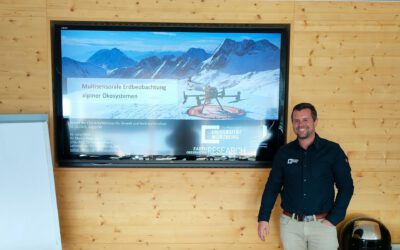
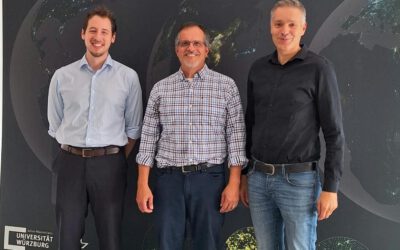
Last week, two of our EORC members (Dr. Insa Otte and Dr. Michael Thiel) had the opportunity to visit several research institutions in Côte d’Ivoire—both in Abidjan and at the Lamto Ecological Research Station.

During this visit, they gained valuable insights into the infrastructure of our partner institutions as well as the region’s unique environmental conditions. They were particularly impressed by the facilities of the WASCAL Graduate Schools for Climate Change and Biodiversity (PhD) and Green Hydrogen (MSc). Many thanks to N’Golo Koné and Edouard Kouassi for the warm welcome and the informative tour.

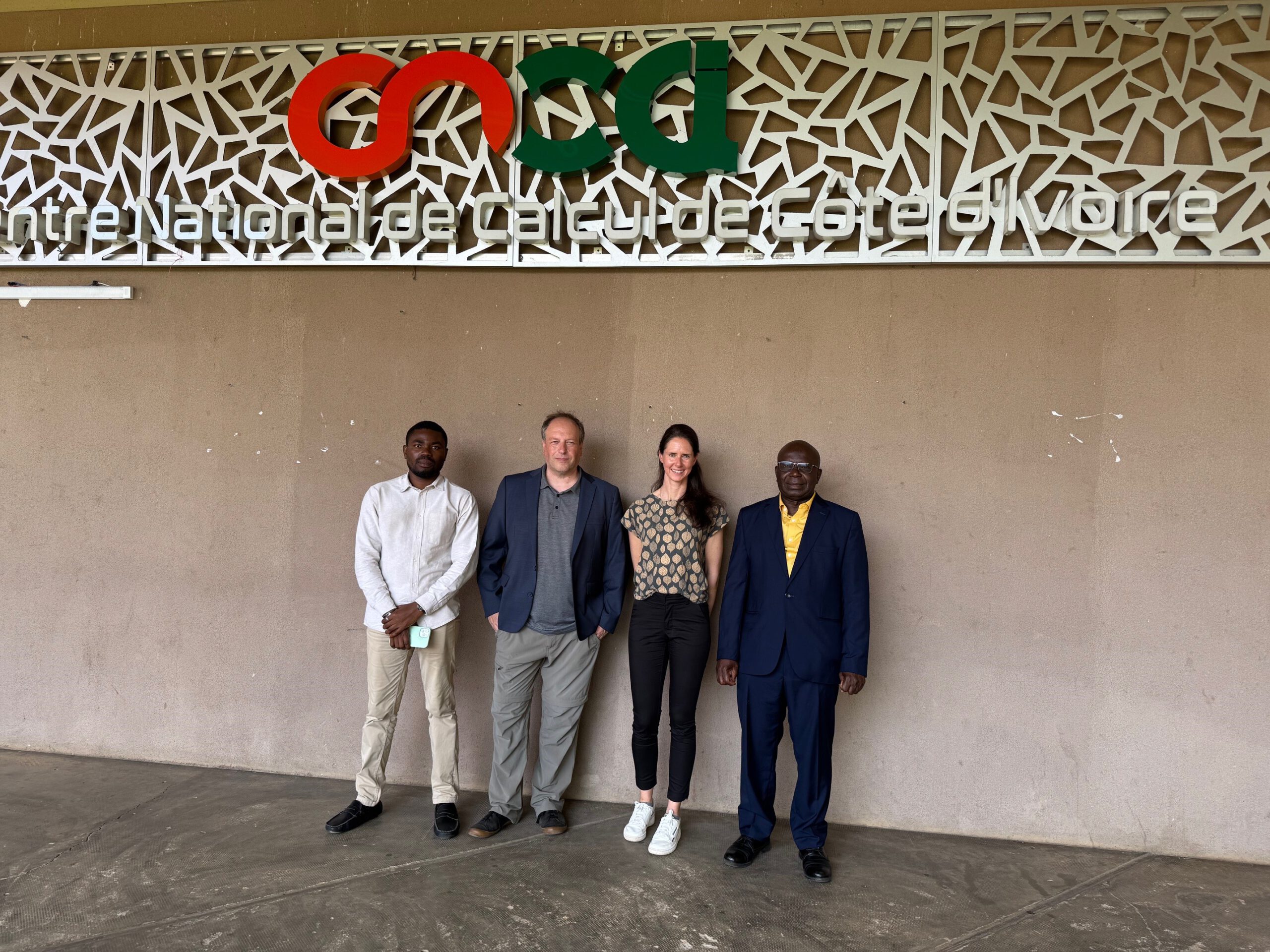
Not far from there, they also had the chance to explore the infrastructure of the Centre National de Calcul de Côte d’Ivoire (CNCCI), especially its high-performance computing cluster—an outstanding facility that stands out in the region.

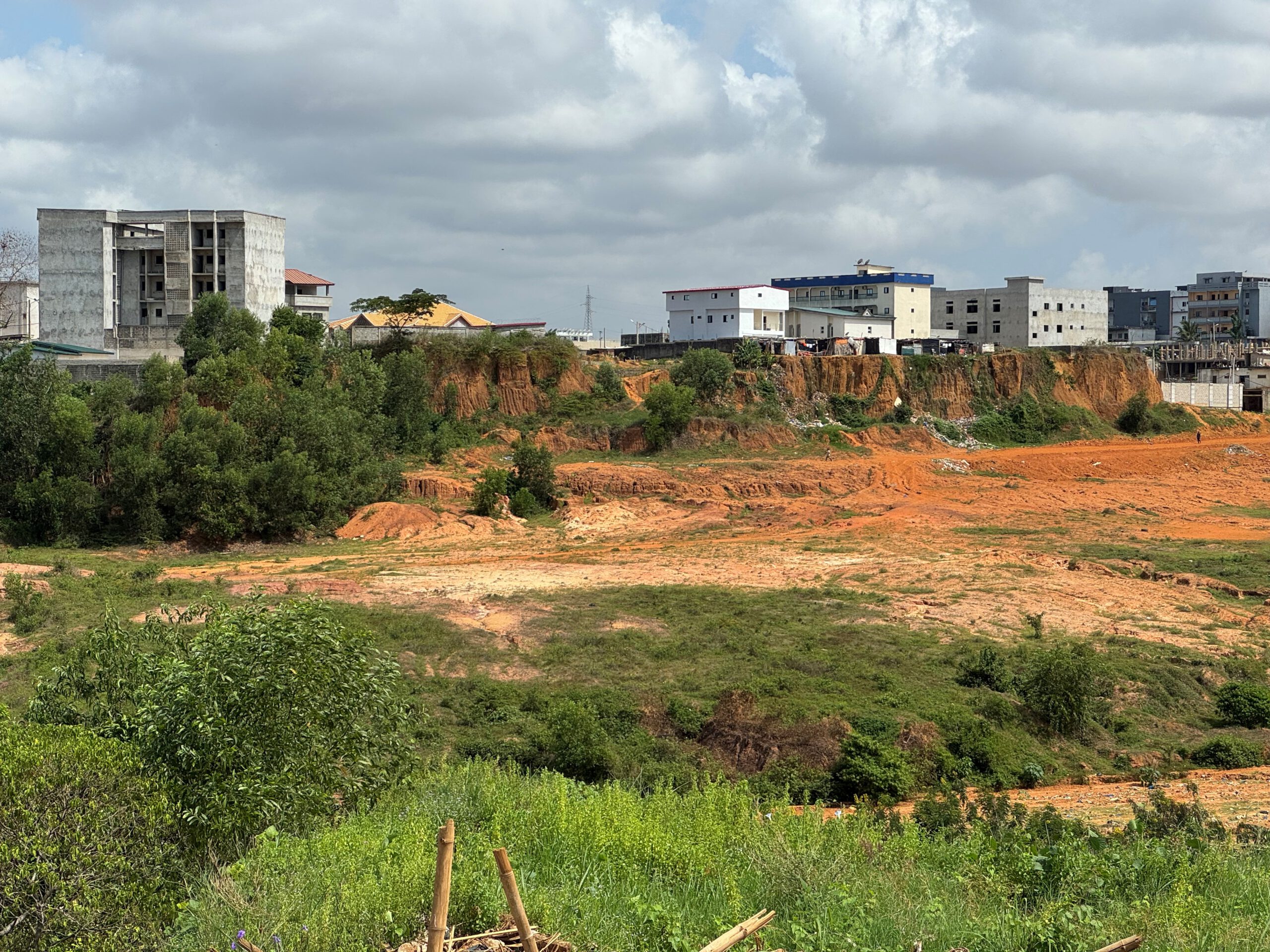
From a geographical perspective, the diverse urban landscapes of Abidjan, the economic capital of Côte d’Ivoire, were especially fascinating. The city ranges from ultra-modern downtown areas to informal settlements in more vulnerable locations. The challenges posed by landslides and flood risks were clearly visible.

In contrast, Lamto offered a different perspective: they learned how the transformation of savanna into forest can significantly enhance biodiversity in the region. Dr. Mike Abell Kouakou, who has been co-supervising by Michael during his PhD, provided deep insights into the biodiversity across different landscape types—forest, savanna, and plantation areas (we reported already: https://remote-sensing.org/field-visit-to-the-lamto-research-station-of-cote-divoire/).

A heartfelt thank you to our long term collaborator and friend Dr. Arona Diedhiou in Abidjan, who encouraged us to make this visit and played a key role in making it a success.
 

follow us and share it on:

you may also like:

A reply to the Programming Hero Syndrome post

A reply to the Programming Hero Syndrome post

A while back there was a post about the "Programming Hero Syndrome." This is a small extension to it, from a female perspective to provide a different view. When I started EAGLE, in those first weeks and months, I'd join internship talks or MSc defenses, listen to...

Getting Ready for 25 + 10

Getting Ready for 25 + 10

Next week's the big one. Twenty five years of EORC and ten years of EAGLE, all in one event, and we're expecting around 250 people through the door. Sabine Oppmann's been leading the prep meetings, and we've split things into clear teams: setup, catering, AV and...

Dr. Ariane Droin in front of the camera: RTL reports on HABITRACK

Dr. Ariane Droin in front of the camera: RTL reports on HABITRACK

A film crew from RTL showed up in the Oberpfalz this spring, and joint a field campaign by the Habitrack BMFTR funded project. Dr. Ariane Droin, who leads the Würzburg side of the MONID HABITRACK project at EORC, walked the RTL team through what the project is...

A Weekend together: Where the Institute Talks About Itself

A Weekend together: Where the Institute Talks About Itself

Once a year, or at least that's the idea, the Institute of Geography packs up and heads out to a remote place, this time Burg Rothenfels, an old castle not far from Würzburg, to spend a weekend doing something that almost never happens in the day to day grind:...

Graduation Day: EORC and EAGLE Celebrate at the Faculty Ceremony

Graduation Day: EORC and EAGLE Celebrate at the Faculty Ceremony

Last week the faculty held its formal graduation ceremony, and EORC and EAGLE were well represented on stage. Two of our PhD students, Dr. Ariane Droin and Dr. Johannes Mast, both joint the ceremony for their doctoral degrees, and it was great to see them walk across...

Share This