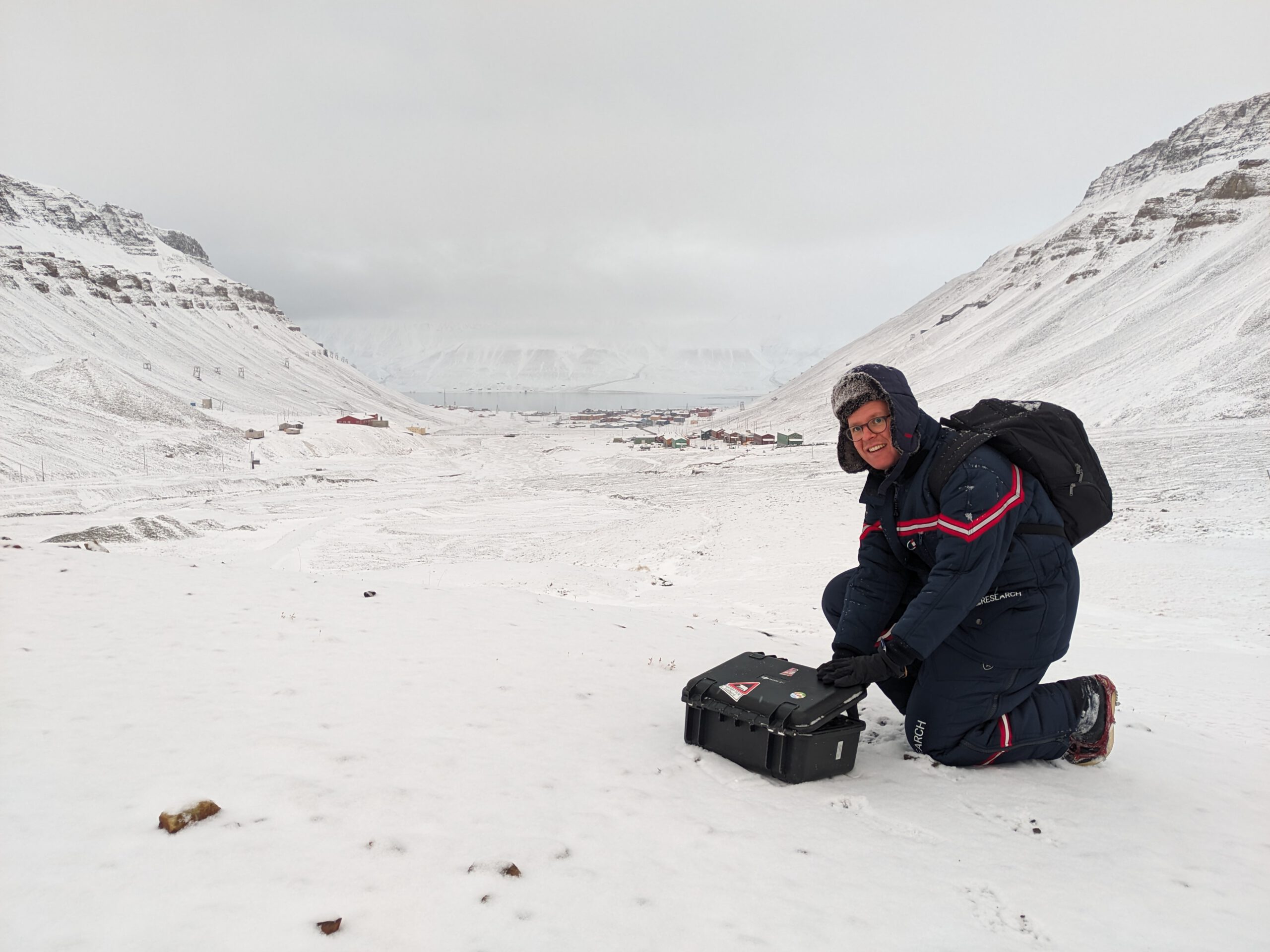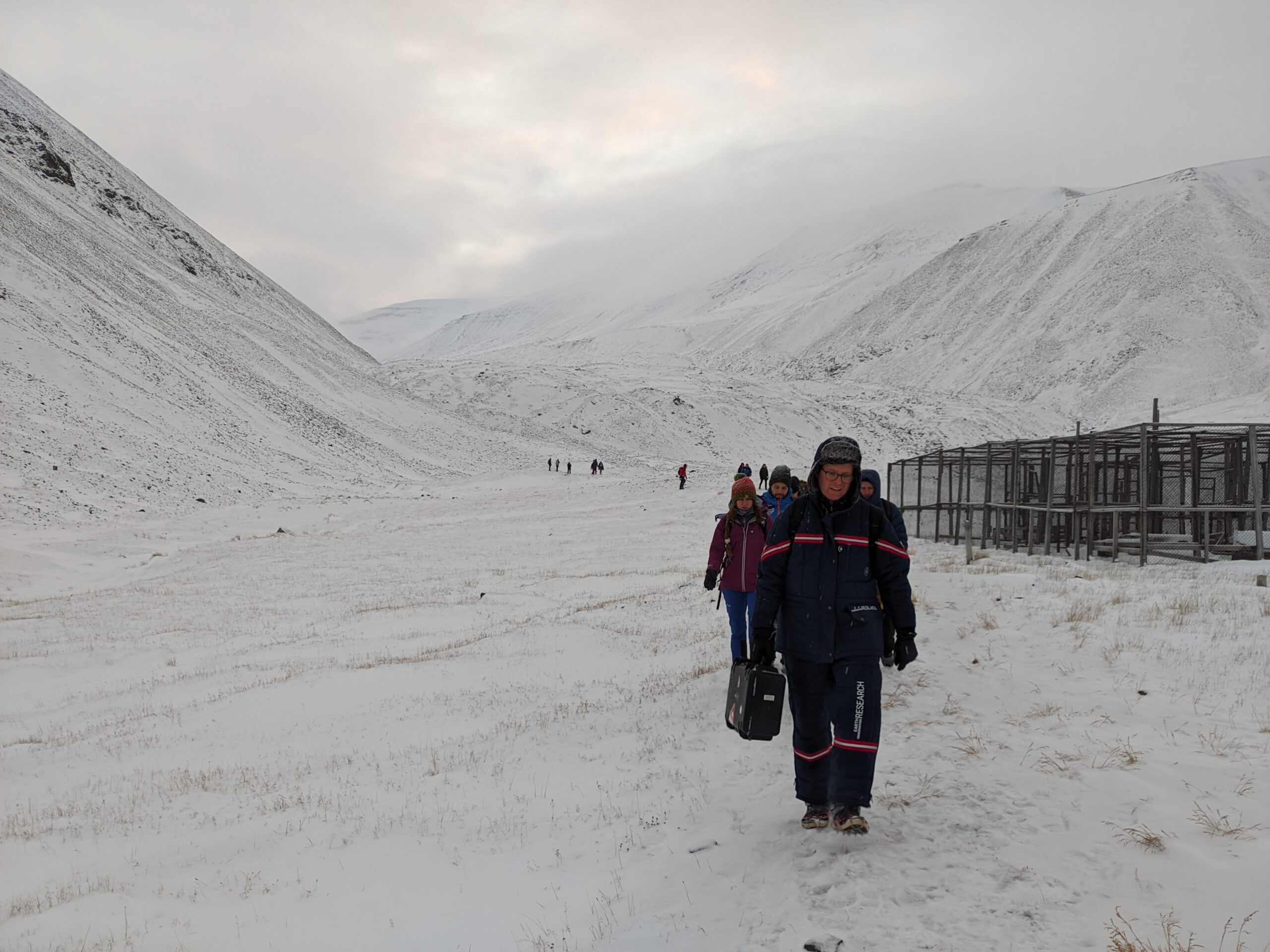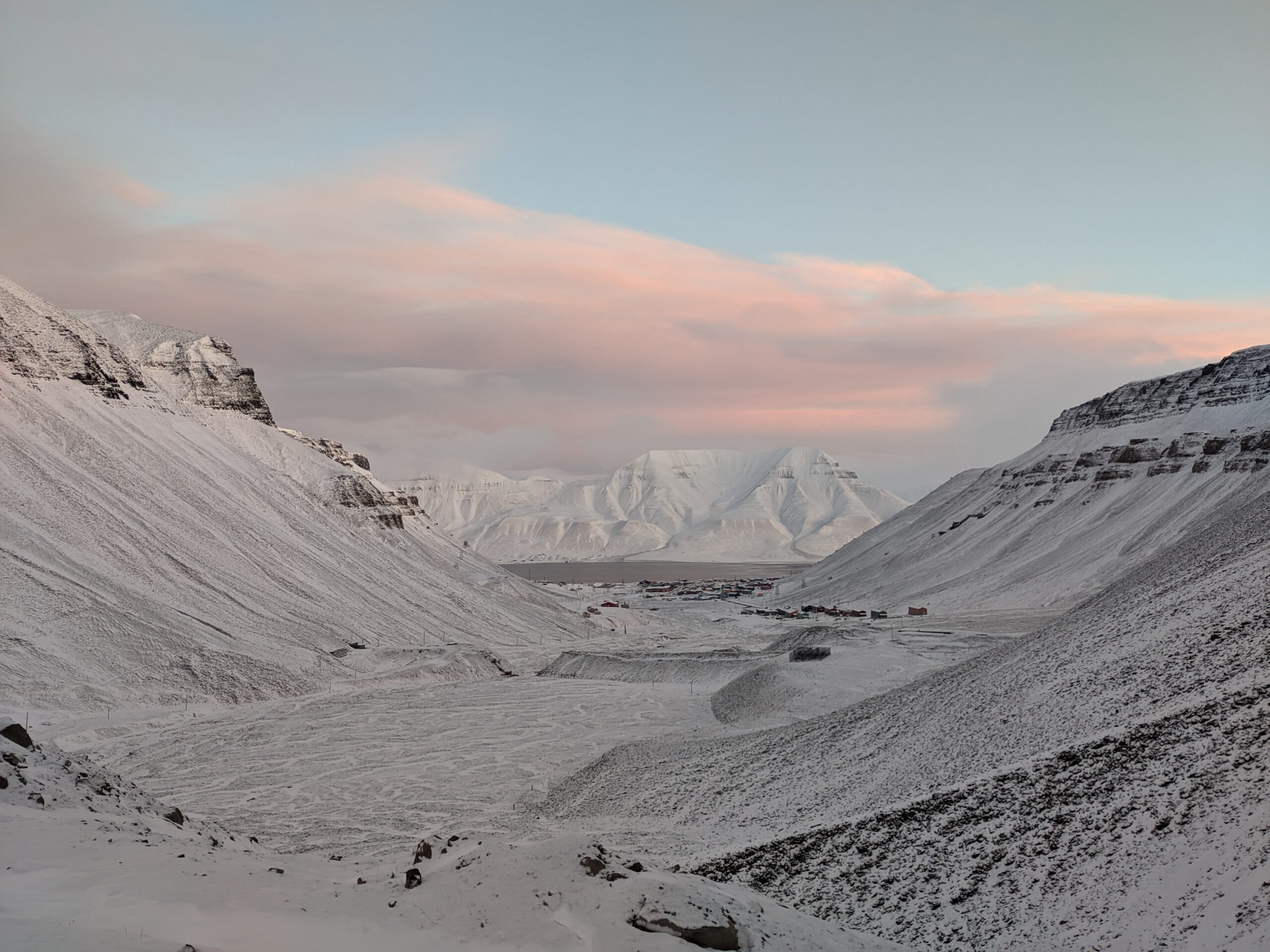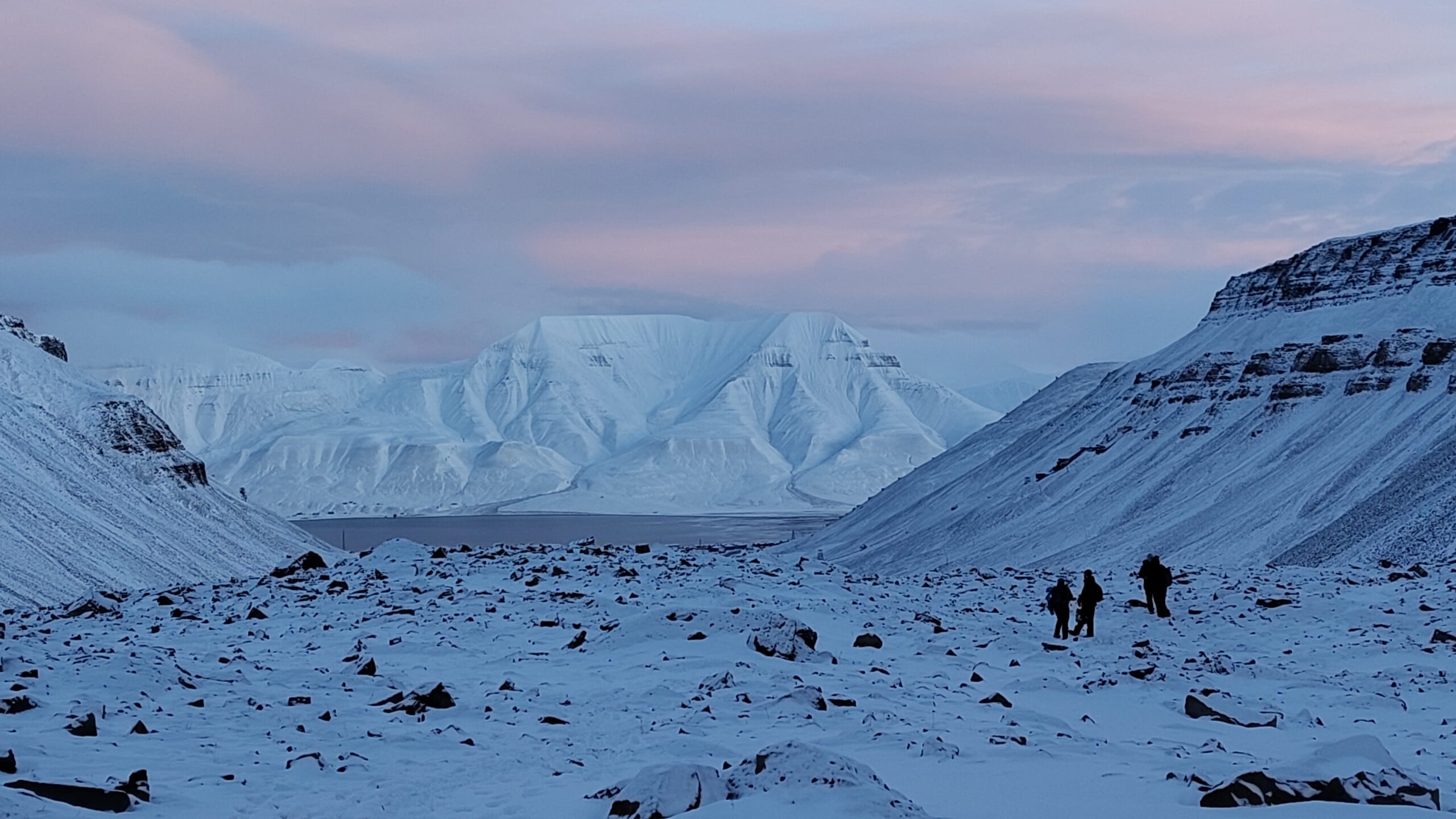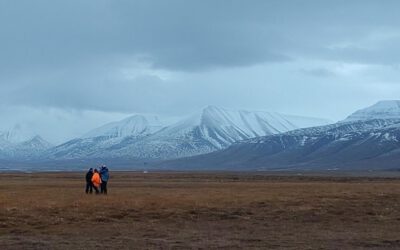

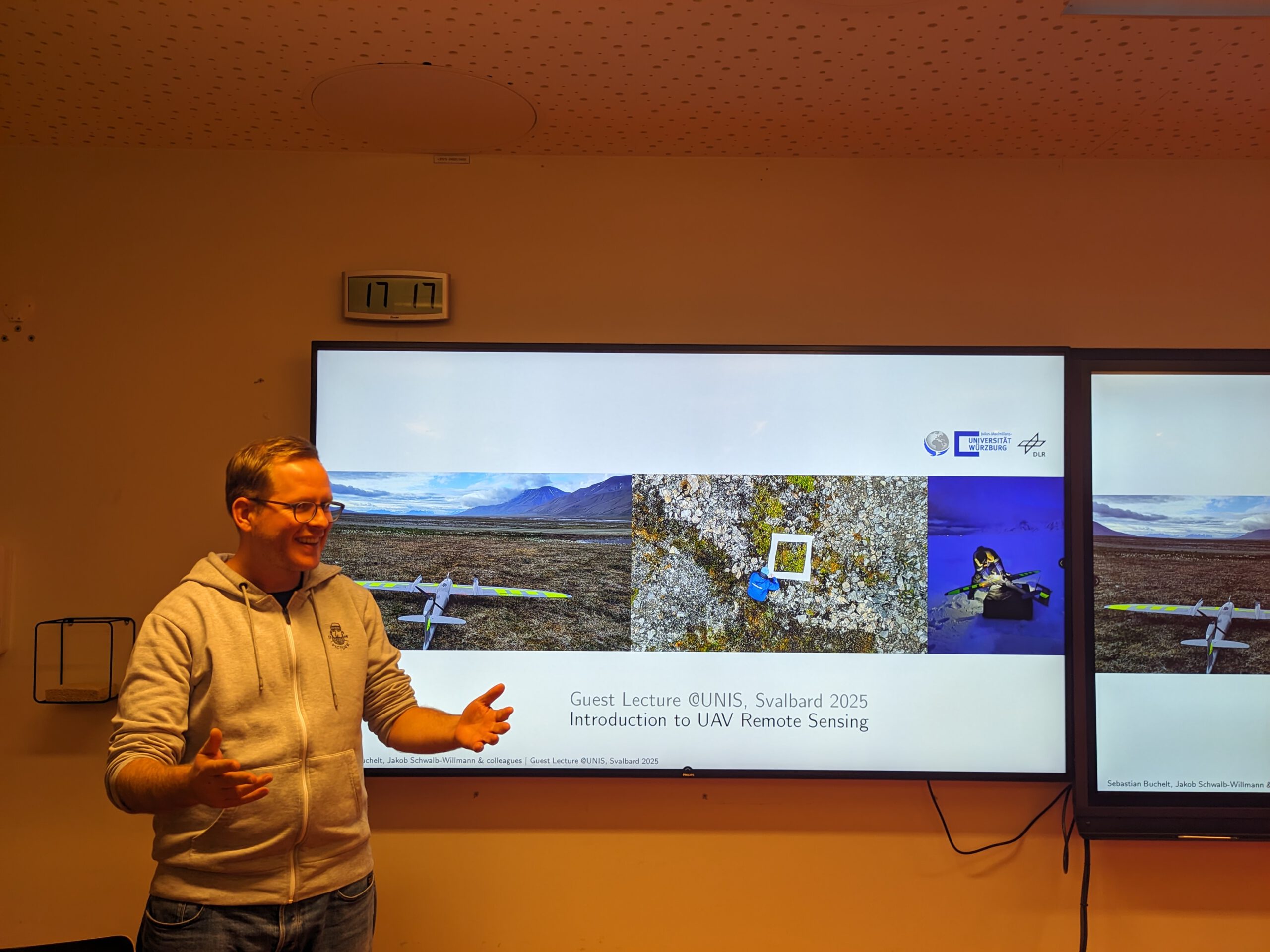
In the last two weeks, EORC employees Sebastian Buchelt and Jakob Schwalb-Willmann traveled to Longyearbyen, Svalbard, for a two-week research and teaching stay on the high-arctic island. There, they were hosted by the University Centre in Svalbard (UNIS) in Longyearbyen. Among activities such as field work in Björndalen and teaching on UAV remote sensing for population ecology, they taught a three-day block course on UAV (drone) remote sensing of the cryosphere as part of the international UNIS Master’s course “Remote Sensing of the Cryosphere”, led by Assoc. Prof. Eero Rinne.
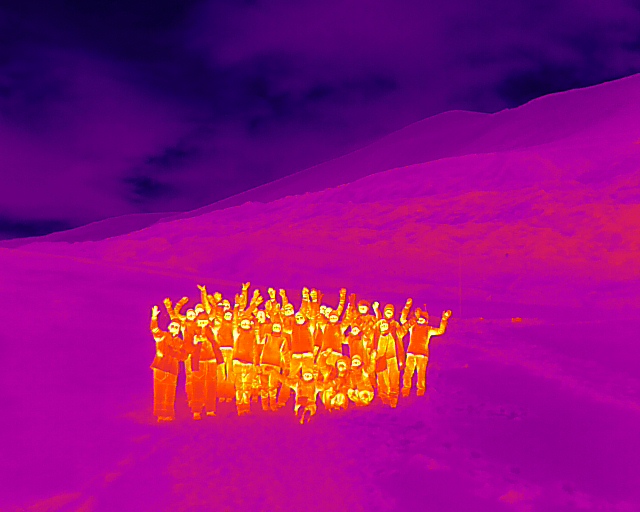
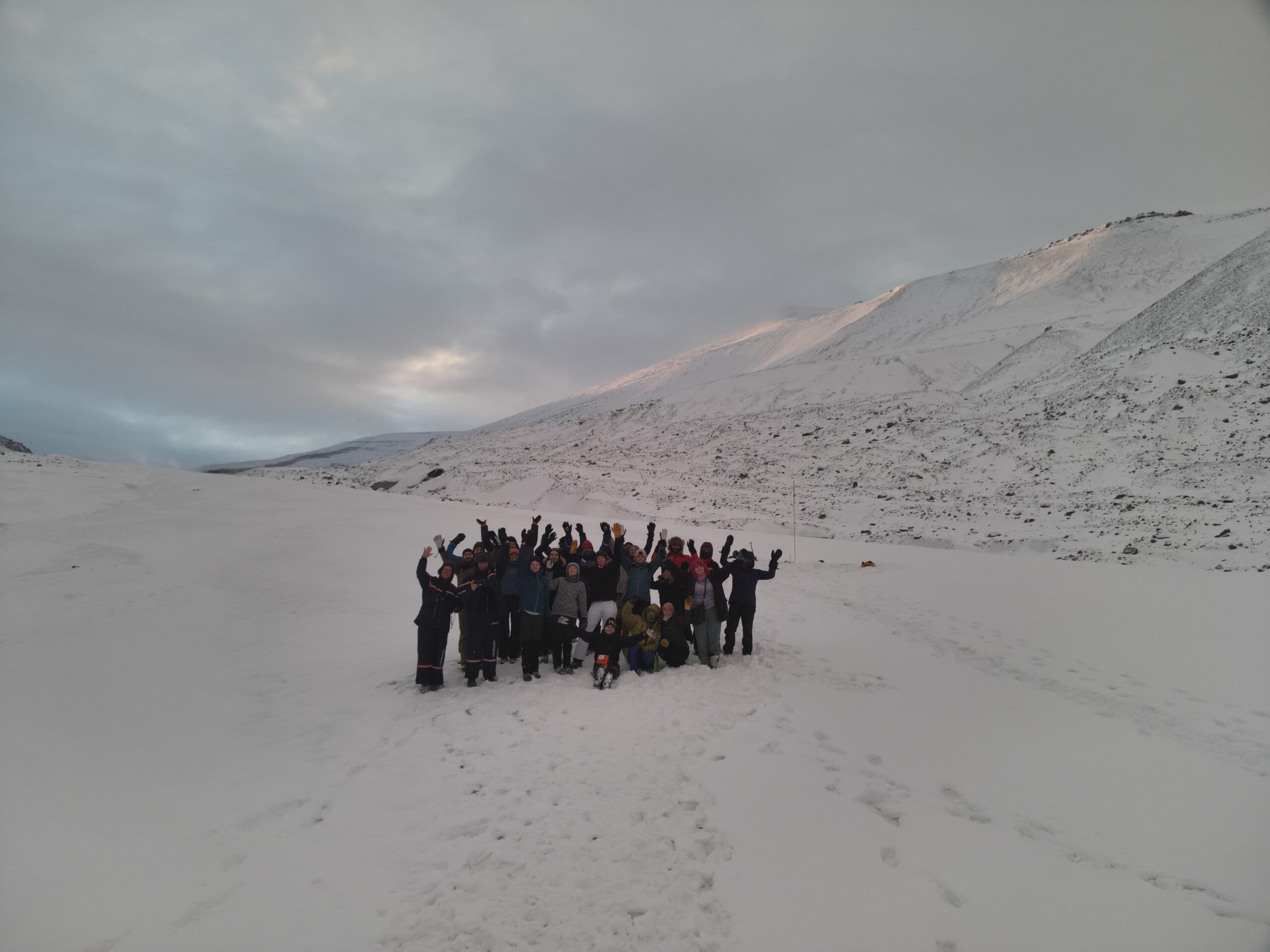
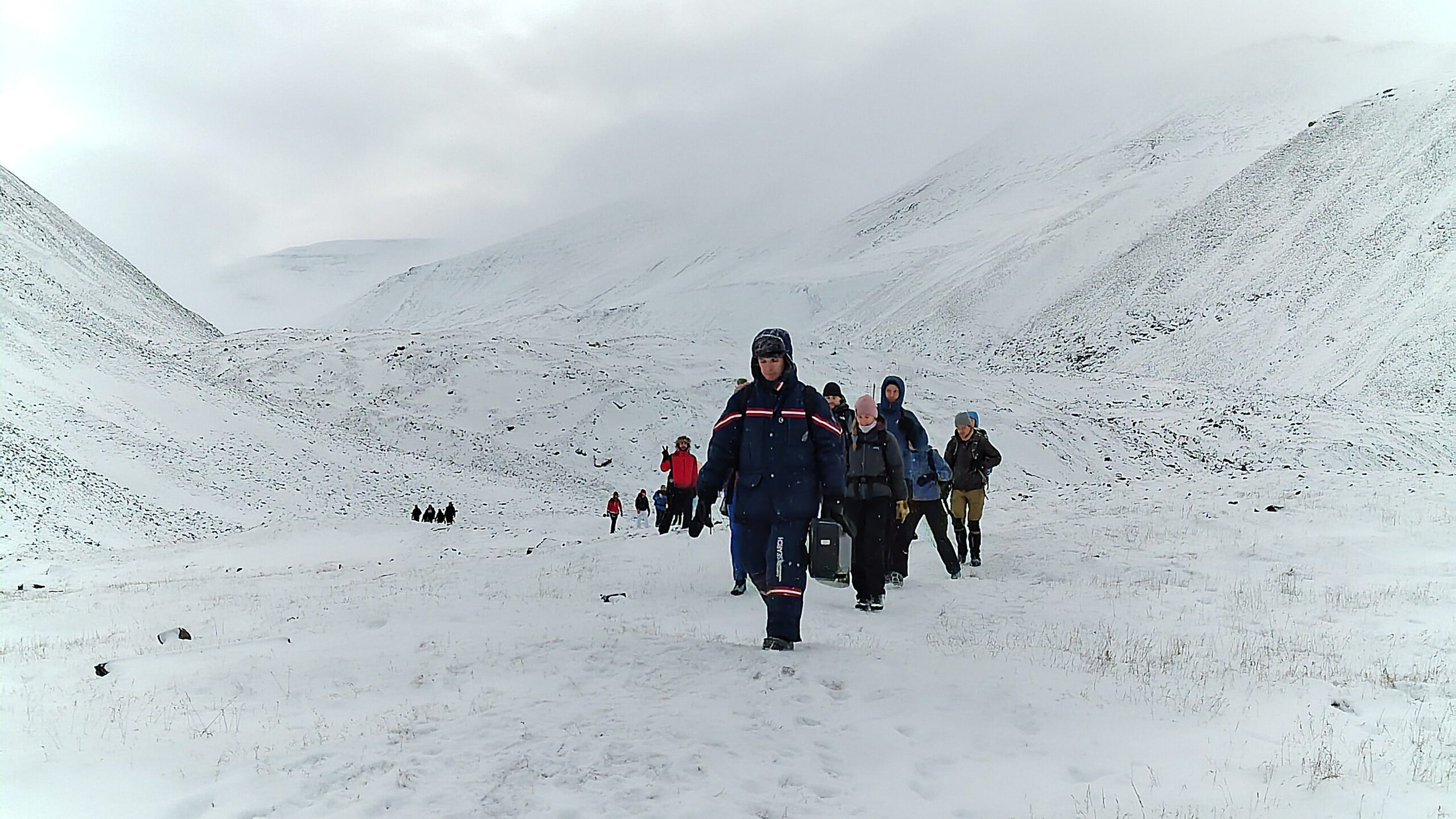
The course combined classroom sessions on flight regulations, data georeferencing and processing, and platform and sensor types with practical training in mission preparation and planning. On the second day, under perfect low-wind but very cold Arctic conditions, our two lecturers joined Eero Rinne (many thanks for hosting us!) and 20 students for a hike to Longyearbreen, a glacier about an hour’s walk above Longyearbyen. Together, they acquired high-resolution UAV imagery to study surface temperature variations, melt channel features, and snow cover. Back at UNIS, students processed the data into orthomosaics and digital elevation models (DEMs), gaining first-hand experience with the challenges of handling large UAV datasets. The exercise also demonstrated how UAV-derived spectral and thermal data can be applied to improve our understanding of cryospheric processes.
This guest lecture during the research and teaching stay on the high-arctic island has been part of the University of Würzburg‘s collaboration initiatives in the High Arctic. The Earth Observation Research Cluster‘s (EORC) teaching and research on Svalbard are coordinated by the EORC UAV team and are focusing on investigating high-arctic surface dynamics and their links to ecosystem processes. In this context, not only our researchers, but also several of our EAGLE MSc. students have been staying on Svalbard in recent years, e.g. to conduct internships, small research projects or even their Master theses.
We highly appreciate the invitation of our guest lecturers to teach at UNIS and are looking forward to collaborate in teaching and research activities in the time ahead!