
EORC colleagues return to the High Arctic for UAS-Based Earth Observation

EORC colleagues return to the High Arctic for UAS-Based Earth Observation

January 29, 2026

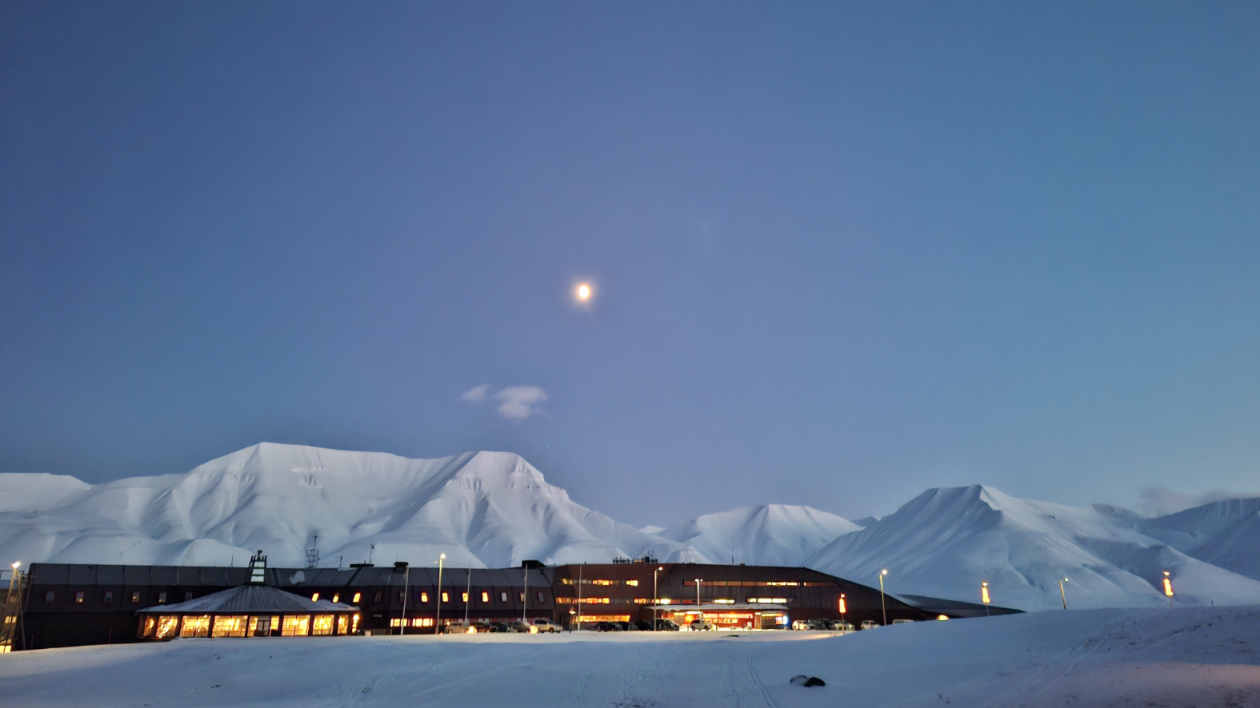
Our EORC researchers Dr. Jakob Schwalb-Willmann and Dr. Mirjana Bevanda are once again spending several weeks in the high Arctic as guest lecturers at UNIS, the University Centre in Svalbard. This annual visit has become a valued part of our collaboration, bringing together training, research, and hands-on field experience in one of the most remarkable environments on Earth.  
Together with international students, our colleagues are exploring how unmanned aerial systems (UAS) can be used to study the cryosphere. While teaching practical and theoretical aspects of UAS-based Earth Observation, they also collect valuable in situ and aerial data for ongoing research into snow and ice properties.  
It’s a unique opportunity to combine education and science in the High North—where learning and discovery happen side by side, against the backdrop of the Arctic winter.

follow us and share it on:

you may also like:

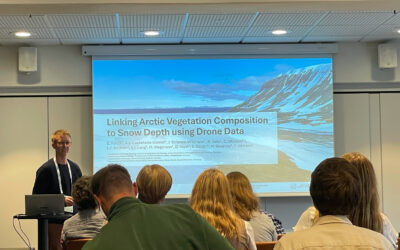
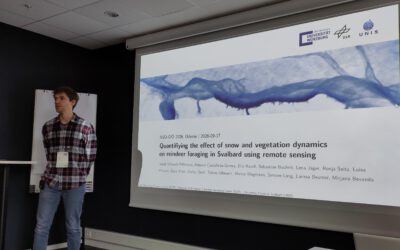
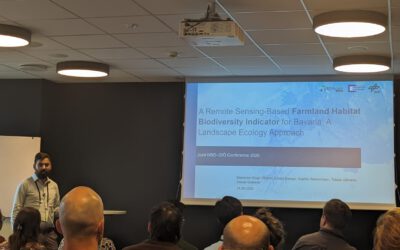
EORC at the joint NSO-GfÖ 2026 conference in Odense, Denmark

EORC at the joint NSO-GfÖ 2026 conference in Odense, Denmark

This week, the EORC is participating in the joint NSO-GfÖ 2026 conference in Odense, Denmark. The conference brings together researchers of all career stages from all across ecology research, representing a wide range of methods and applications, including topics at...

GLS-team visits Planetary Health exhibition

GLS-team visits Planetary Health exhibition

One of the aims of Geolingual Studies Geolingual Studies - Geolingual Studies is to ensure effective science communication beyond the scientific community and into the wider society. The Geolingual Studies team was given the opportunity to look at concepts and methods...

bzgl. Art. 50 Verordnung (EU) 2024/1689 (AI Act):

Überwiegend werden eigene originäre Texte und Bilder des EORC genutzt, jedoch sind einige Inhalte von blog post Texten teilweise mit Hilfe von KI überarbeitet worden und einige Bilder sind ganz mit KI erstellt, die jedoch deutlich keine photorealistische Darstellungen abbilden. Aussnahmen sind KI generierte fernerkundliche Datensätze, die explizit für Forschungszwecke mit KI erstellt wurden, hier wird aber durch den assoziierten Text der wissenschaftliche Grund der KI generierten Bilder erläutert.

Privacy Policy

Lehrstuhl für Fernerkundung & Lehrstuhl für Urbane Fernerkundung

Erdbeobachtung an der Universität Würzburg